Signal Triage
Incoming signals are assessed immediately. Verified events progress for response, while repeated false positives are identified and suppressed.

DPS Licensed via TOPS, B31064101, Texas
For Texas properties and portfolios, Security Guard Grid connects alarm review, contact notifications, and licensed patrol dispatch. The record follows each alert from receipt to the action that resolves it.
WHAT THIS SERVICE COVERS
An overnight alarm needs a response process behind it. At 2:00 AM, someone must assess the signal, reach the designated contacts, arrange licensed patrol when justified, and record each step. An integrated service connects those actions so receiving an alert leads to a documented resolution.
Our Alarm Monitoring platform links incoming signals with triage, contact notifications, and Texas DPS-licensed patrol dispatch. The configured sequence runs automatically and records the response, saving the property team from coordinating each step manually.
Incoming signals are assessed immediately. Verified events progress for response, while repeated false positives are identified and suppressed.
Once an alert is verified, the system works through your contact list in the agreed order without manual routing.
When a verified event calls for an on-site response, a licensed patrol guard is dispatched and GPS confirms arrival.
A time-stamped history captures receipt, classification, contact attempts, dispatch, and the final resolution of every alert.
Signal Receipt & Triage
Contact Tree Notification
Patrol Guard Dispatch
Alert Documentation
False Alarm Management
Monitoring Active
Alert Received
02:14: Zone 3 motion alarm received at Site B; signal assessment started immediately.
Contact Tree Worked
02:16: Primary contact confirmed no approved access and authorized patrol dispatch.
Patrol Dispatched
02:17: Licensed patrol dispatched. Arrival verified by GPS at 02:29.
Resolution Logged
02:44: Full report filed. Guard found and secured an open rear door, with no evidence of forced entry.
Signals are classified as they arrive. Verified incidents move through the response sequence; false alerts are logged and suppressed.
The platform follows the contact priorities configured for your site, automatically notifying people in sequence when an alert is verified.
GPS-logged dispatch and arrival show clients that the licensed patrol response reached the property.
Clients can open a complete alarm history in the platform, covering the initial signal through the closing action.
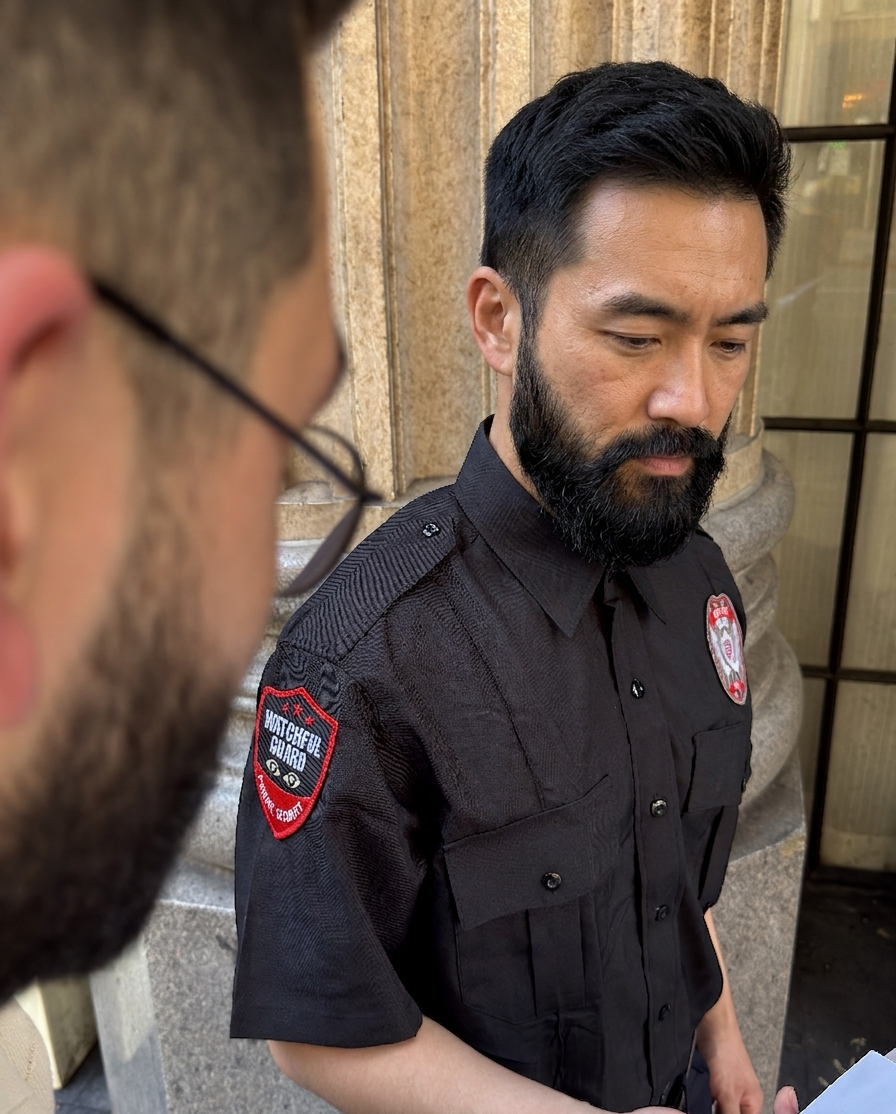
"We assess each signal, act on verified alerts, and give clients a record of the response from start to finish."
Watchful Guard, B31064101
Responding patrol guards maintain current Texas DPS credentials through TOPS. Watchful Guard holds company license B31064101.
Background screening applies to both field staff and platform personnel before assignment. Only fully vetted staff receive access to client monitoring systems.
Before monitoring goes live, onboarding establishes the contacts, alert thresholds, and approved dispatch procedures for the property.
Sites with frequent alarms benefit from organized signal assessment. Monitoring also serves businesses that need someone to attend verified alerts after hours.
Business properties needing recorded after-hours alarm response without relying on a chain of manual calls to managers.
Stores needing assessment of overnight door, motion, and intrusion alerts with an on-site response option.
Industrial sites that need perimeter sensors, entry alarms, and overnight oversight linked to one response system.
Managers who need to coordinate alarms and responses across several properties through a shared platform.
Describe your properties, alarm system, response requirements, and preferred contacts. We will configure the monitoring and dispatch sequence around those needs.