Construction Security
Security Programs Built for Active Job Sites
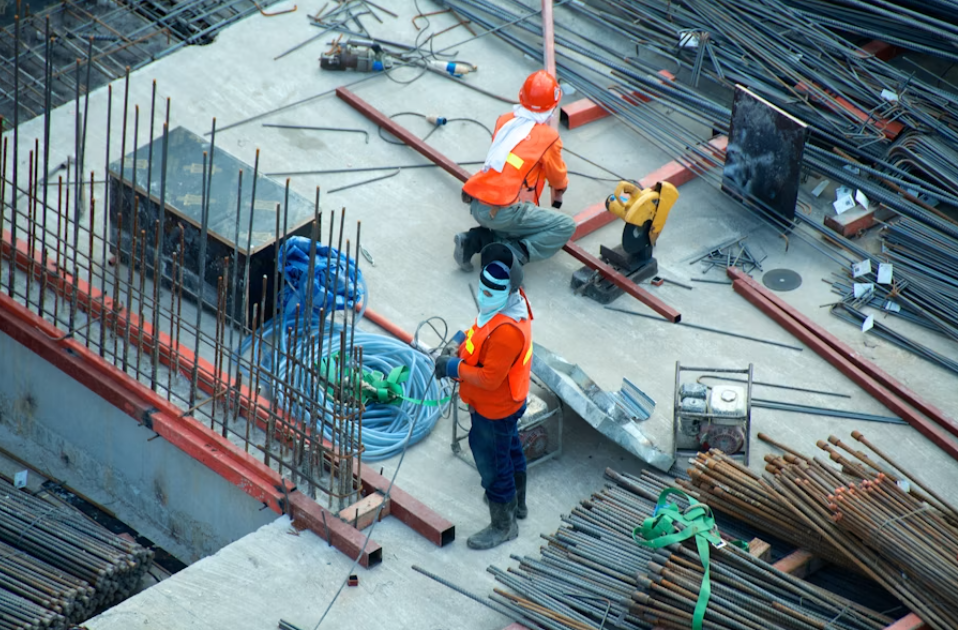
Texas construction coverage must keep pace with the work. From urban developments to remote projects and large outdoor sites, guards need to manage gate traffic, protect stored materials and equipment after crews leave, and record incidents as the project moves through each phase.
Phases of Construction We Cover
Coverage From Ground-Break Through Certificate Of Occupancy
We scope protection to the current construction phase. Early ground work, equipment storage during the build, and final finish installation bring different exposures and require different coverage.

The Real Threats On A Construction Site
The Risks GCs And Superintendents Actually Deal With
A recurring site problem can affect the budget, schedule, subcontractors, and insurance position together. Construction security addresses the practical causes of those losses.
Copper Wire Theft
Overnight wire theft can mean substantial replacement expenses and delays, making high-value wiring a frequent target to protect.
Generator And Equipment Theft
Without active overnight coverage, portable generators, lifts, and smaller machines are regular targets for theft.
Tool Trailer Break-Ins
Once crews leave, tool trailers hold concentrated value in a predictable location and need attention on patrol rounds.
Trespassing And Encampments
Trespassing and unauthorized overnight occupation can leave crews facing sanitation, safety, and liability issues when a site is unsecured.
Unauthorized Material Removal
Clear authorization for removing stock, equipment, and deliveries helps prevent materials leaving through the gate unnoticed.
Claims And Delay Exposure
After theft, vandalism, or damage, a reliable record of site conditions helps explain what happened and support an insurance claim.
How We Solve It
What A Construction Security Deployment Actually Looks Like
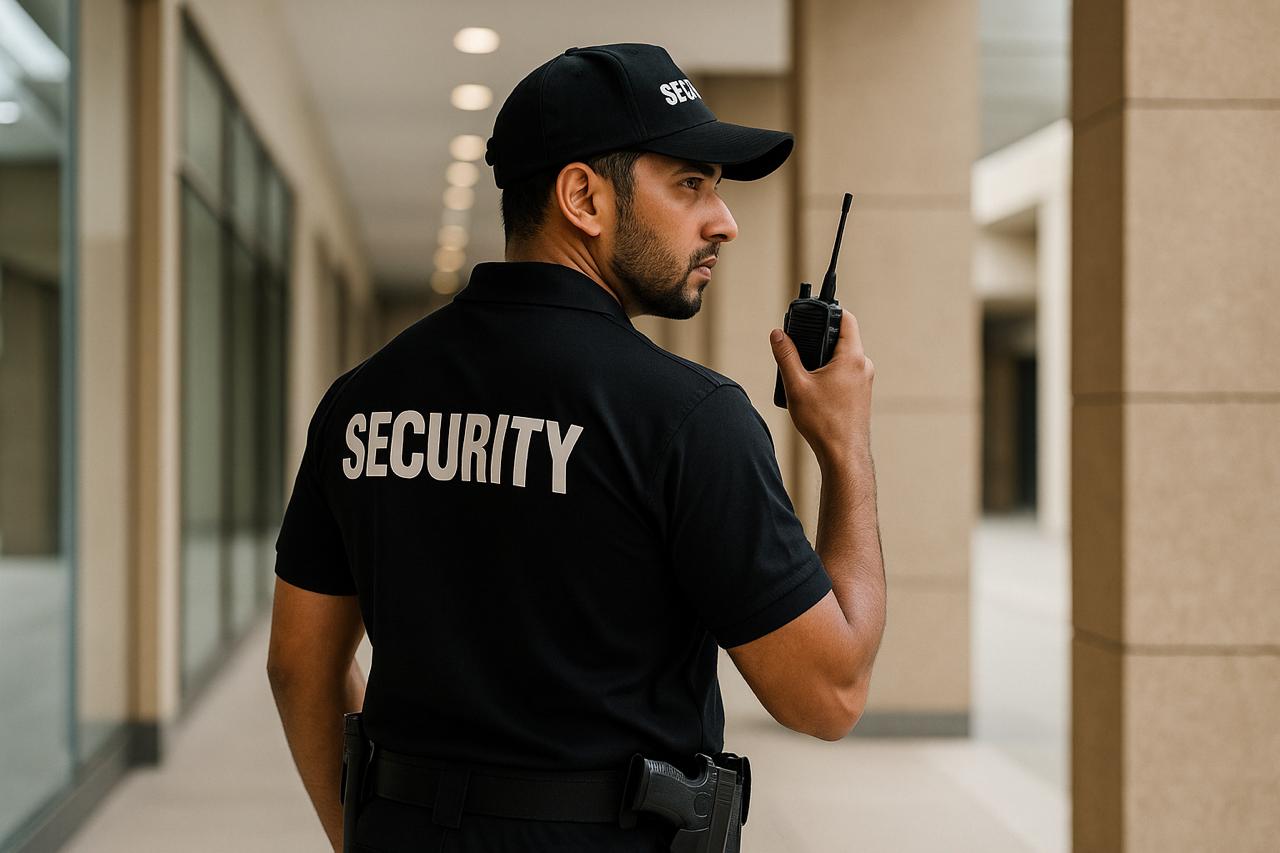
We define how gate duties, patrols, overnight protection, and supervision will work together. The construction team can see exactly what is staffed and how coverage is organized.
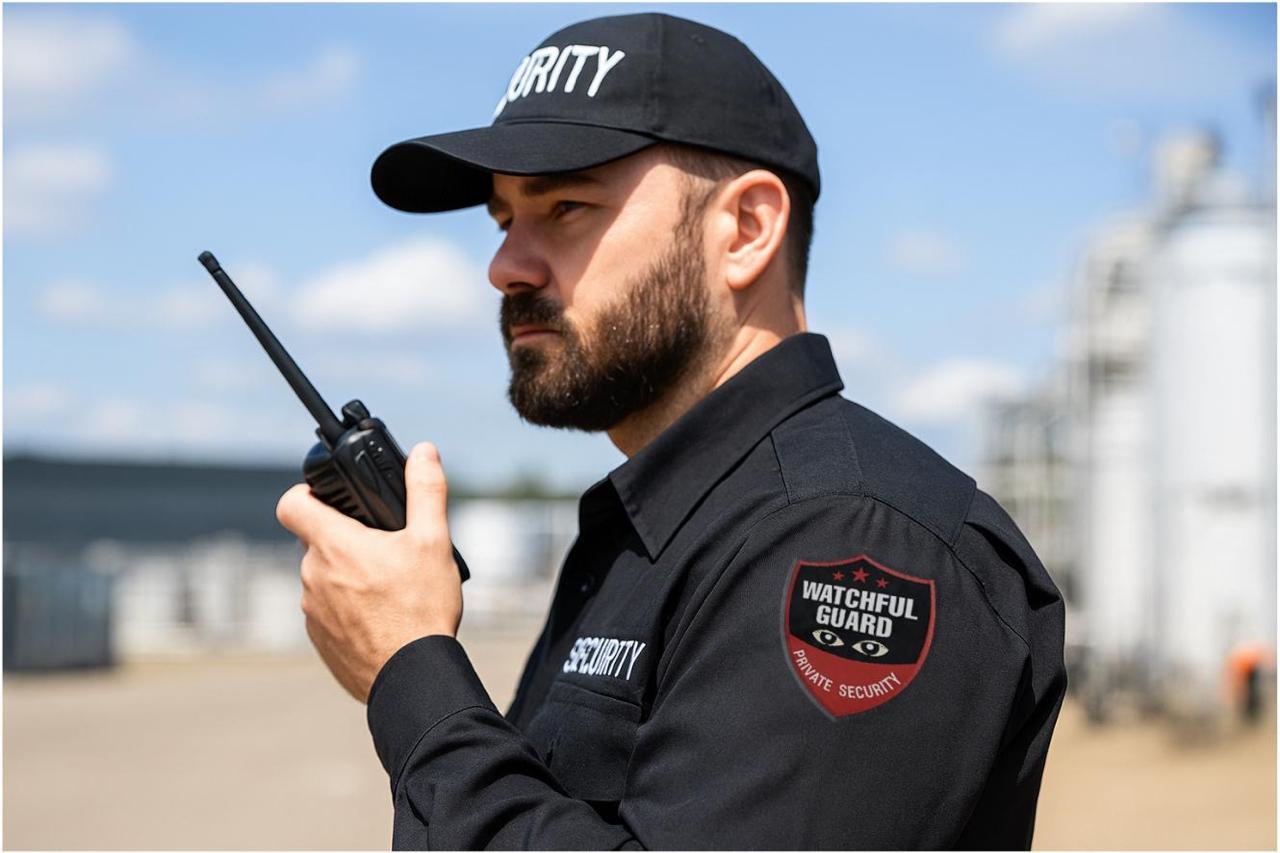
Controlled Site Access
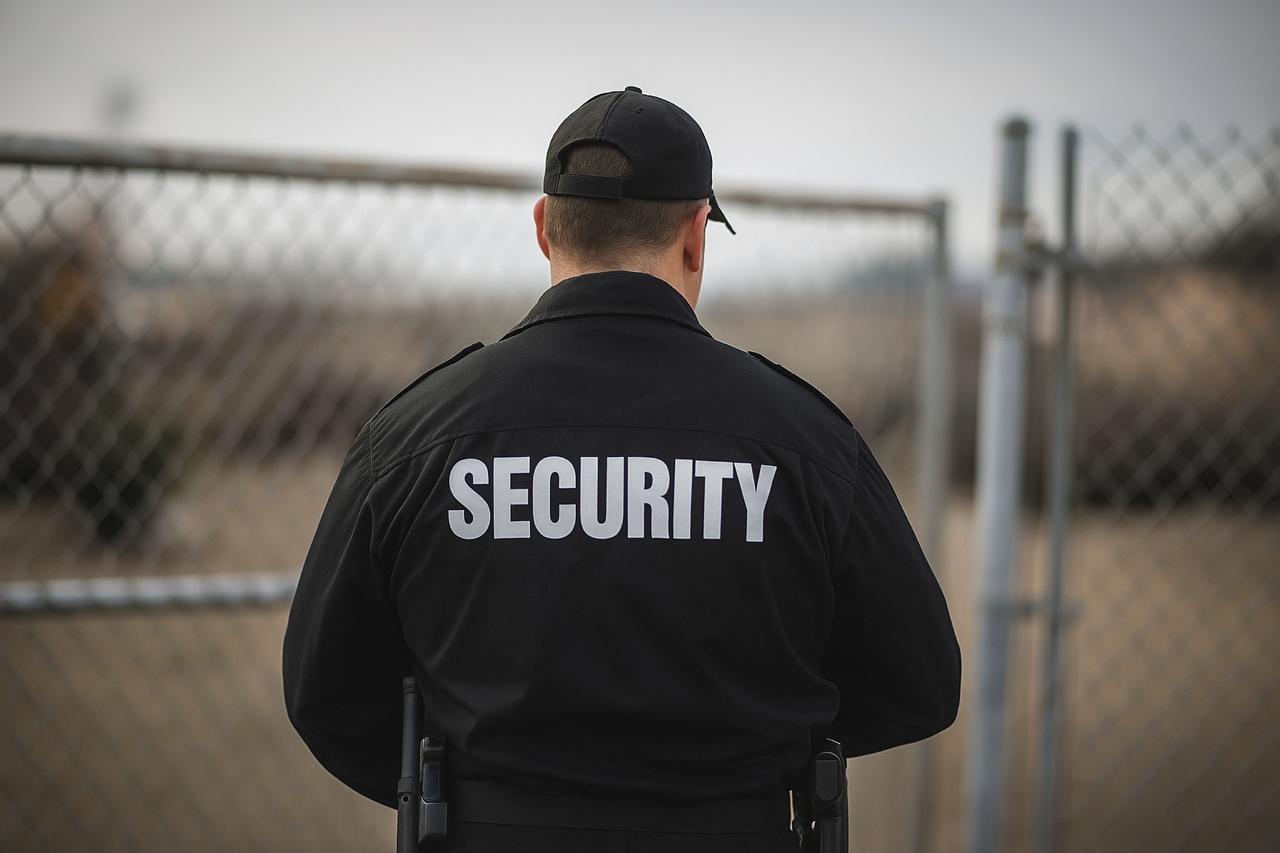
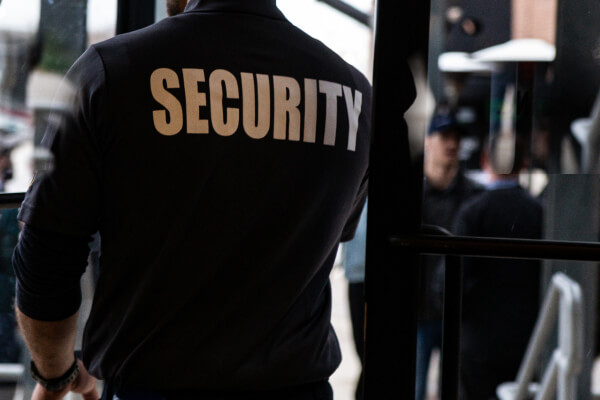
Workers, subcontractors, and vendors have their credentials checked before entering. Each entrance is staffed or monitored so unauthorized visitors are stopped at the gate.
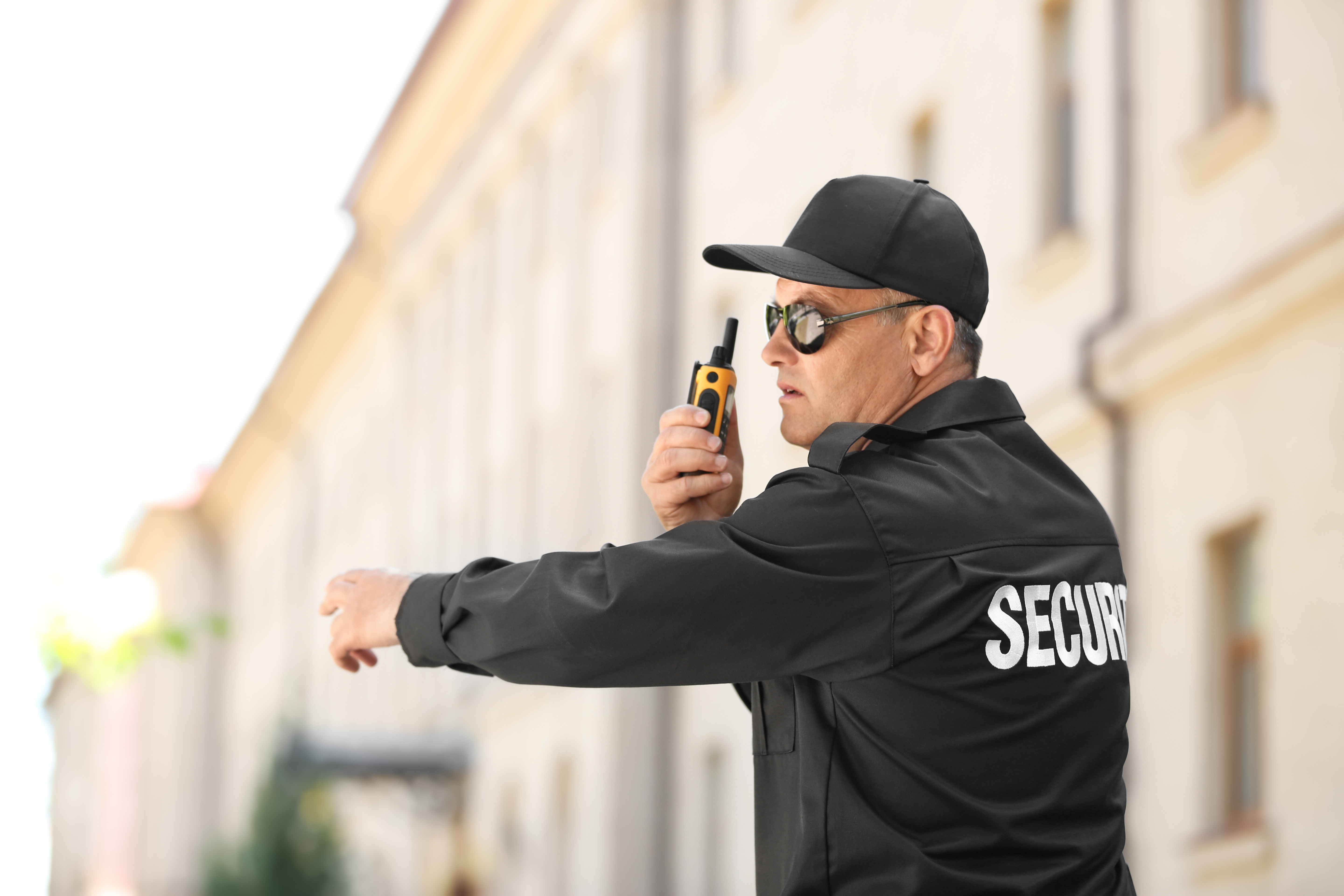
Phase-Aware Patrol
We agree patrol checkpoints with the project manager and revise them as work progresses. A framed structure needs a different route from an area receiving its final finishes.

Equipment Yard Monitoring
Day and overnight rounds include heavy equipment, staged materials, and tool stores. Guards record their condition and note changes to equipment inventory or the perimeter.
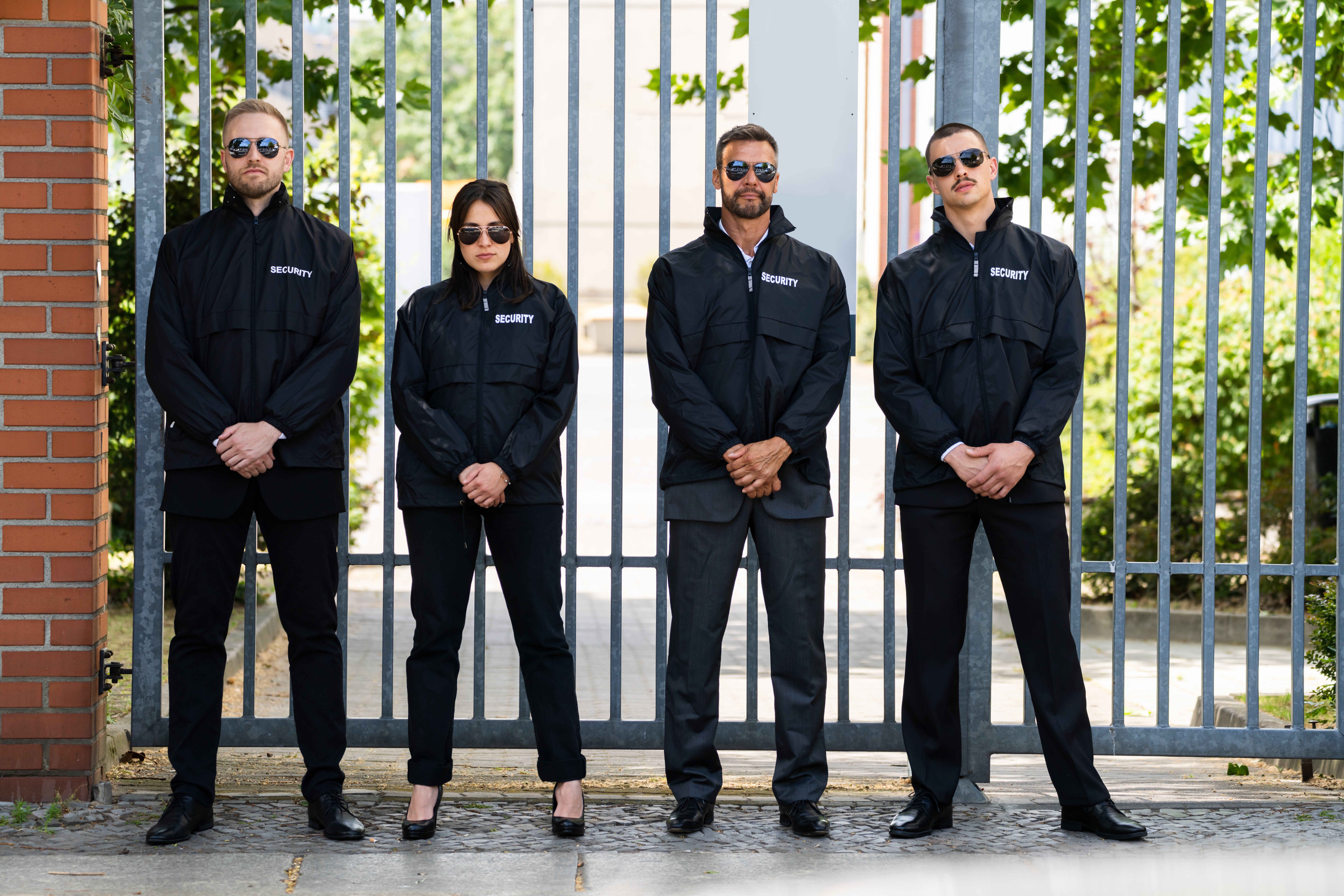
Documented Incident Reporting
Project managers can open the reporting platform to see overnight activity directly. Access events, disturbances, damage, and completed rounds are entered digitally as they happen.
What's Included
What A Construction Security Program Can Include
Project leadership needs an operating scope it can review. We set out the on-site deliverables clearly so everyone understands what the security assignment includes.
Gate Management
Record arrivals and departures while checking in approved subcontractors, vendors, and visitors.
Perimeter And Trailer Checks
Verify patrol checks at fencing, trailers, storage and laydown areas, and exposed entrances.
Overnight Static Or Patrol Coverage
Plan coverage for equipment and materials after hours, including responses to alarms or disturbances.
Fire Watch Logs
When construction conditions require Fire Watch, carry out checks at defined intervals and keep a record of each round.
Daily Activity Reports
Give each shift a record of completed rounds, entry activity, unusual observations, and site conditions.
Incident Reports With Photos
Use time-stamped notes and photos to support incident follow-up, internal reviews, and claims.
Supervisor Site Checks
Field supervisors return regularly to check post performance and keep job-site coverage accountable.
Post Order Alignment
Write post instructions for the current project phase, including access rules, emergency contacts, and escalation steps.
Fire Watch
Fire Watch Coverage For Required Site Conditions
When normal fire protection is compromised or a permit calls for documented rounds, construction clients can arrange Fire Watch as a billable service. We staff the assignment against a defined operating standard.
When Fire Watch Is Triggered
A hot-work permit, disabled suppression system, alarm-affecting power outage, or an inspector's post-incident requirement can trigger the need for coverage.
Defined Patrol Intervals
Guards complete and log recurring Fire Watch rounds at the interval required for the property, with the schedule confirmed before the assignment begins.
Documented Checks
The contractor receives a record of each round's time, the places inspected, and the guard's observations.
Emergency Response Readiness
Training covers spotting hazards, appropriate use of the site's extinguishers, and calling 911 when immediate assistance is needed.
Related Services / Industries
Explore Related Construction Coverage
The project layout and phase determine whether clients combine staffed gates, overnight patrols, Fire Watch, and wider commercial support.
Technology Integration
Documentation That Supports Site Operations And Claims
When equipment goes missing or damage leads to a claim, project leaders need facts they can use. Our reporting technology records field work and supports accountability with documented site activity.
Time-Stamped Activity Reports
Each shift report identifies the inspection times, areas covered, and conditions the guard found.
Photo-Supported Incident Reports
Photos can add context to reports of missing equipment, damaged fences, and vandalism.
Shift Log Visibility
Open the activity history and reports directly to review the site without requesting manual field updates.
Patrol Accountability
Patrol records show whether exposed areas, trailers, and boundary points were inspected during the shift.
Photo-supported logs and incident records help contractors follow up on theft, damage, and insurance claims promptly.
Who We Work With
The People Behind Construction Security Decisions
We work with the people accountable for site control, the project schedule, and liability. They need coverage that is clearly defined and properly recorded.
General Contractors
Coordinate subcontractors and oversee job-site performance and project exposure.
Superintendents
Direct daily site operations, gate procedures, access, and field conditions.
Project Managers
Follow incident actions, vendor coordination, and effects on the project schedule.
Safety Managers
Bring access rules, site procedures, Fire Watch requirements, and escalation plans together.
Owners Reps
Review how the site is protected, the quality of its records, and potential claims exposure.
FAQ
Questions Construction Clients Ask Before Signing
Do you work with general contractors directly or through the property owner?
+
Either can engage us. General contractors usually arrange coverage because the contract places site security with them, though developers and owners also do so. Billing and post orders reflect whoever holds that responsibility.
Can coverage change as the project phases change?
+
Yes. At major phase changes we review the instructions and adjust shifts, routes, and posts. Foundation work, mechanical rough-in, and final finishes each call for different access controls and inspection points.
What happens if there is a theft or break-in while an guard is on post?
+
Guards secure the scene, call law enforcement, notify the named site contact, and immediately record the incident in the platform. The general contractor receives a full report before the police investigation concludes.
How long is the minimum contract for a construction site?
+
We generally scope construction coverage by project phase, with options for one phase or the entire build. Share the timeline so we can define the assignment.
Can guards manage the site gate and subcontractor check-in?
+
Yes. Guards can verify approved subcontractors, check vendors in, record arrivals and departures, and uphold the site's entry rules.
Do you offer fire watch and what triggers it?
+
Yes. Common reasons include hot work, disabled alarms or sprinklers, and post-incident conditions that temporarily compromise normal fire protection.
How quickly can you deploy for a site that just had a theft?
+
Location, timing, and assignment scope determine how quickly we can deploy. Urgent requests following an incident receive immediate operational priority.
What's the difference between a static guard post and mobile patrol for a construction site?
+
A guard at a static post stays with a priority position, such as a gate or vulnerable entrance. Mobile patrol covers a wider area through repeated zone inspections and perimeter checks.
Do you provide overnight-only coverage or full 24-hour programs?
+
Both are available. Depending on the construction phase, a project may need only overnight loss prevention or a combination of daytime gates, evening rounds, Fire Watch, and continuous coverage.
Licensed, Verified, and Accountable
Our Texas construction assignments operate under DPS company license B31064101 through TOPS, with guards holding current credentials for their roles. Security Guard Grid records patrol and entry activity with GPS verification, giving project managers a time-stamped account of each shift.
License
TX License B31064101
Guards
DPS Licensed
Verification
GPS-Logged Patrols
Records
Timestamped Reports
Request Construction Coverage
Request A Construction Security Quote Built Around Your Job Site
Share your construction phase, gate procedures, overnight concerns, Fire Watch requirements, and the equipment or materials at risk. We will scope coverage to the site's current work.