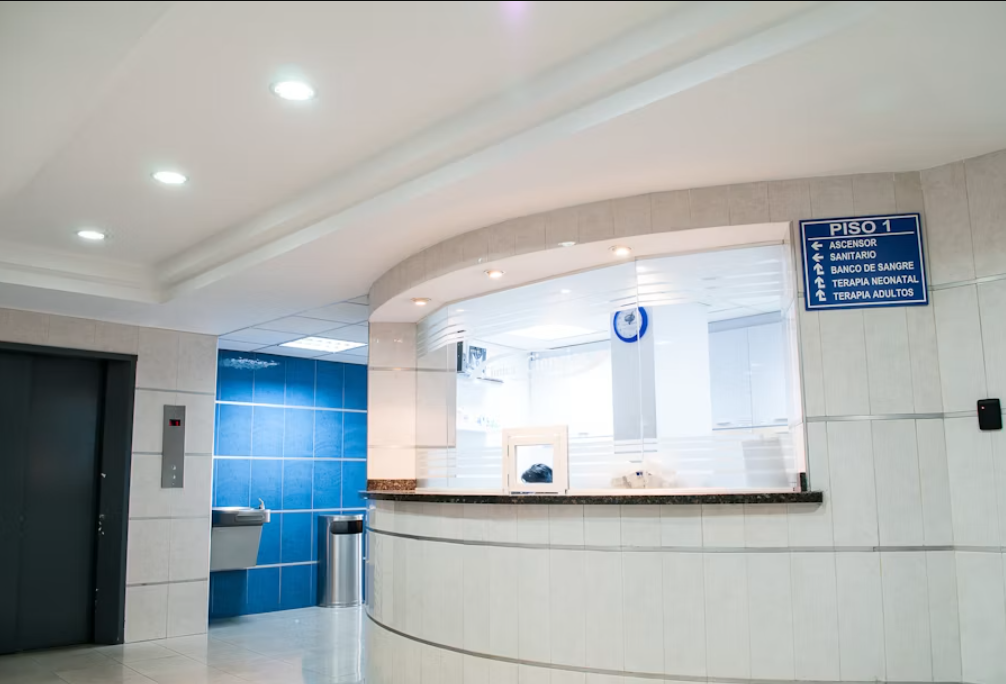
Hospital Security
Security Built For Clinical Operations, Patients, And Staff Safety
Texas medical districts, community hospitals, and suburban campuses stay active around the clock. Their security plans must address public entry, emergency-department pressure, behavioral incidents, parking, and continuous movement through care areas.
What We Cover
What We Cover in Healthcare Security
Hospitals combine round-the-clock access with distressed visitors, psychiatric care, medication storage, and staff working alone. Healthcare workers face substantial workplace-violence exposure, often involving someone already inside the facility. Those conditions demand procedures designed for the care environment.
Read more +
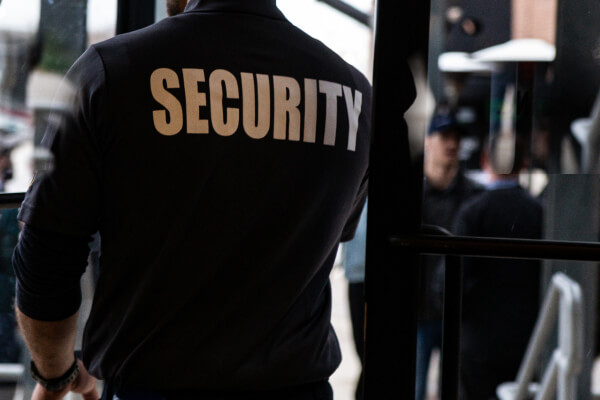
We cover medical campuses, acute and psychiatric hospitals, urgent care sites, and outpatient surgical centers. Working with the security director, we use actual incident history to write post orders and brief guards on facility procedures. A distressed waiting-room visitor and an emergency-department escalation require different responses.
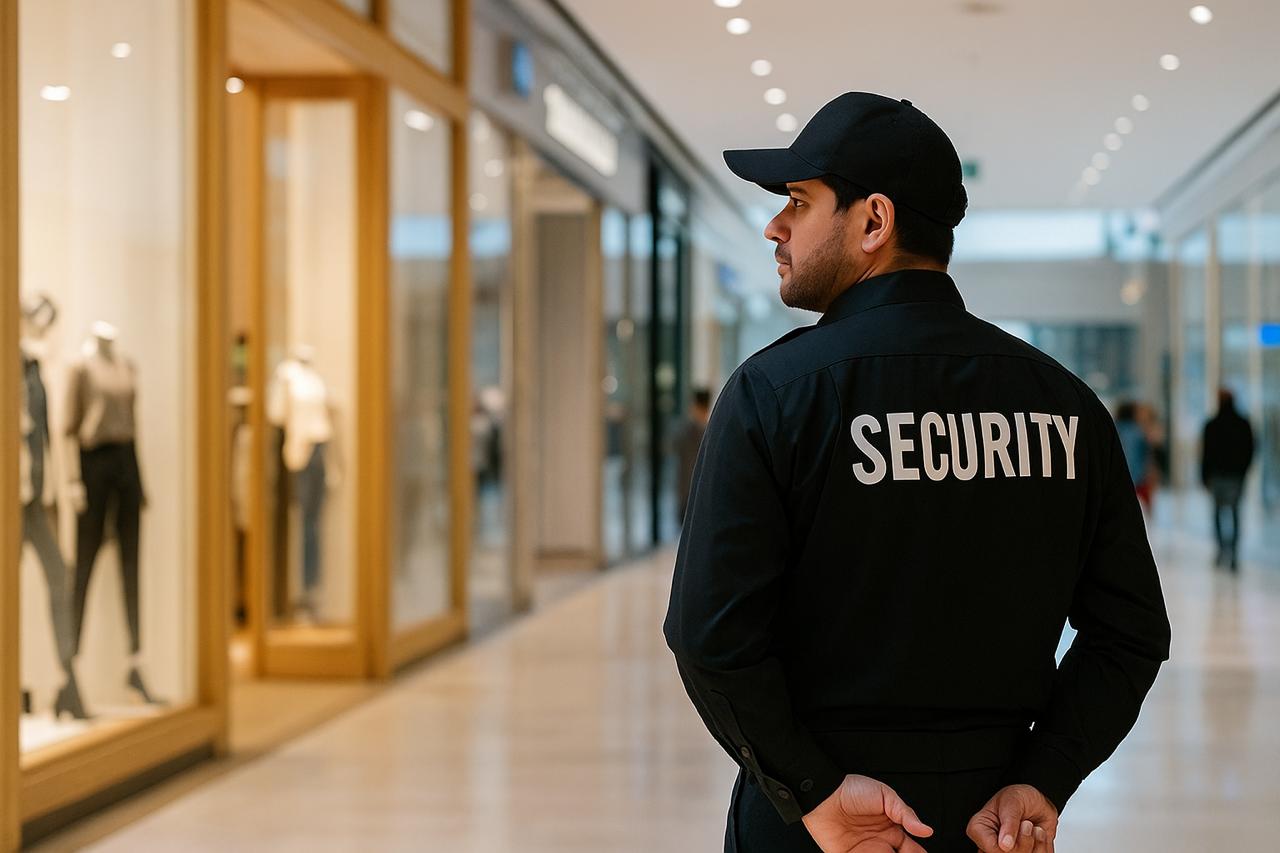
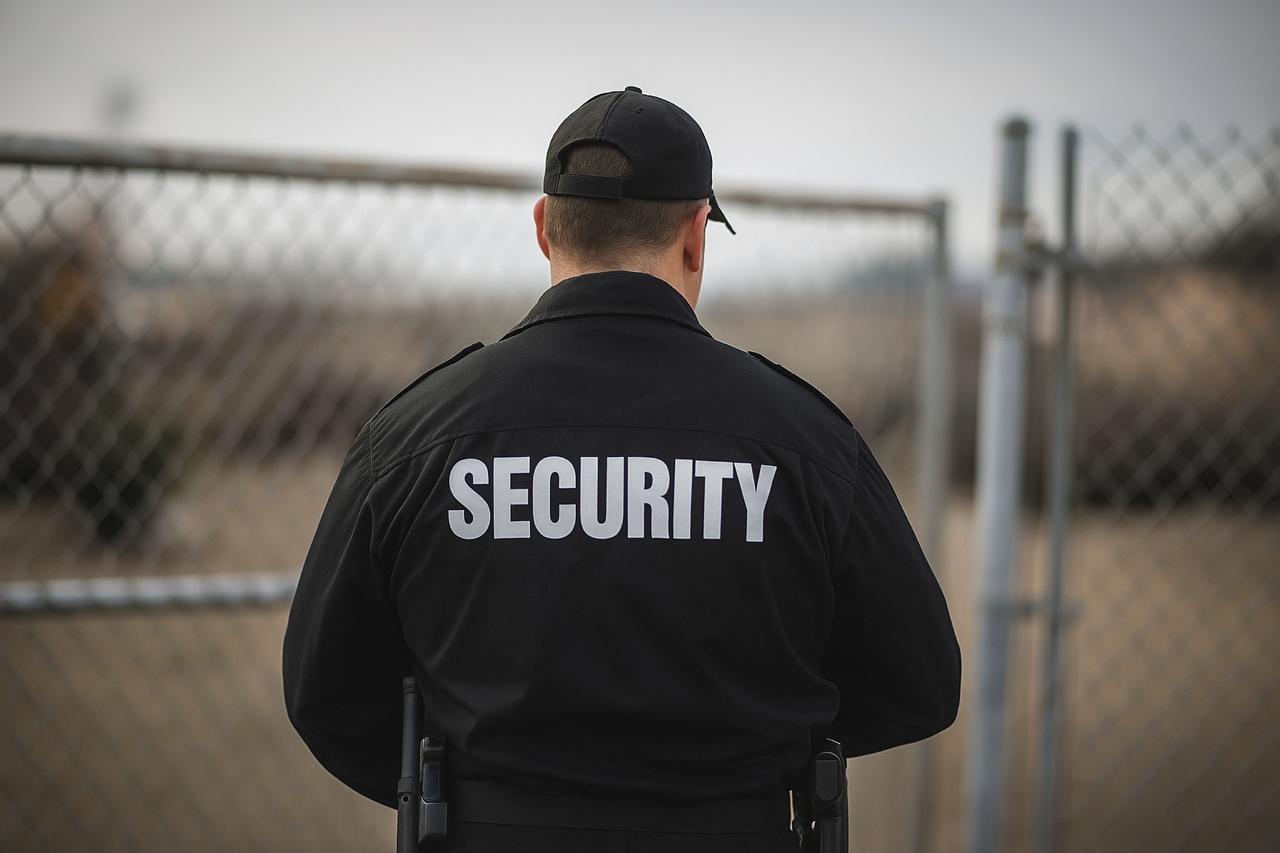
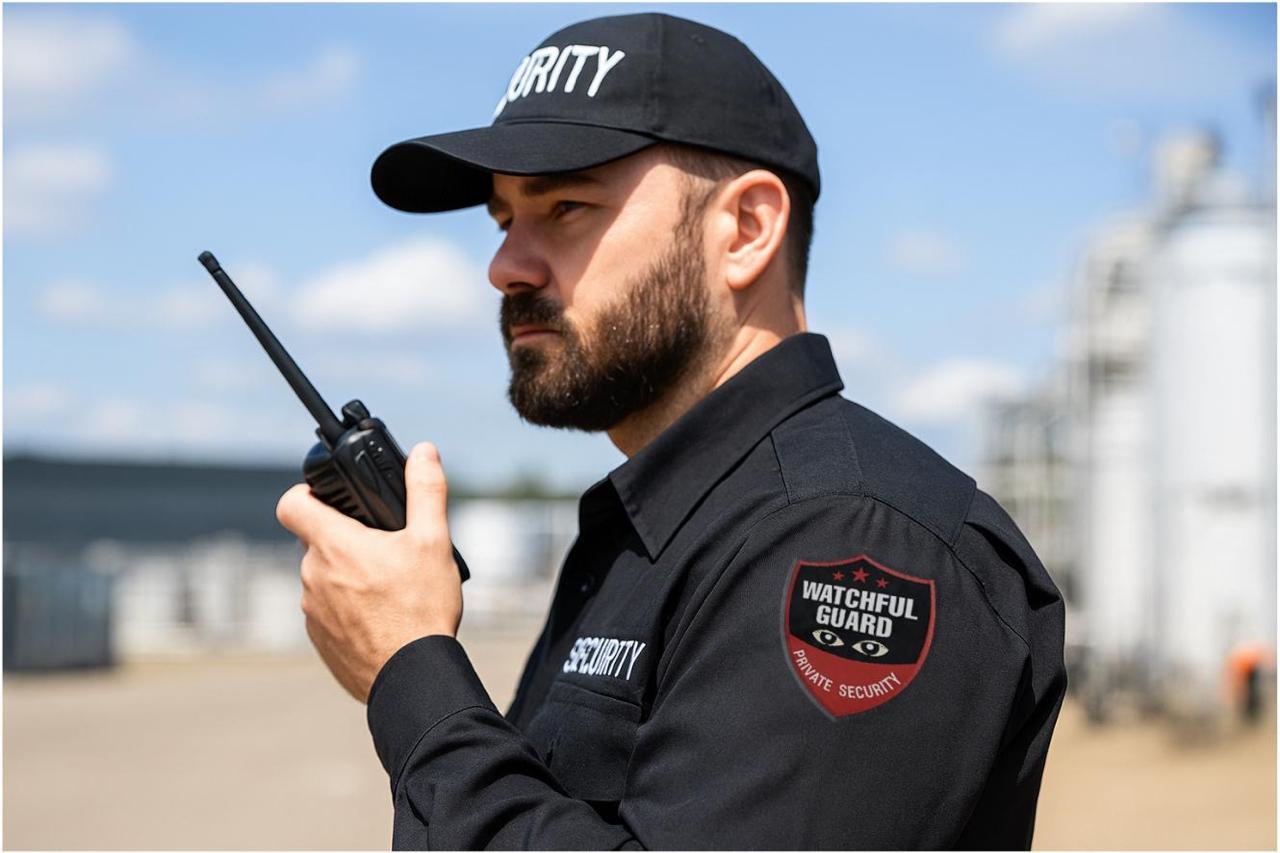


The Problem Section
The Risks Healthcare Teams Are Actually Managing
Clinical teams need guards who can protect people and manage public access while escalating concerns quickly and preserving care delivery.
ED Disruptions
Long waits, distressed families, disputes, and escalating patient interactions regularly put pressure on emergency departments.
Behavioral Health Incidents
Psychiatric episodes and behavioral-health holds call for calm presence, a controlled response, and prompt escalation support.
Unauthorized Access
Actively control entry to restricted units, medication stores, staff corridors, and patient areas.
Workplace Violence Exposure
Overnight and public-facing healthcare work can expose staff to increased workplace-violence risks.
Visitor And Family Management
Visitor procedures need to cover restricted hours and family escalations around treatment areas professionally.
Documentation Liability
Clear incident records help healthcare teams complete compliance work, risk reviews, and internal follow-up.
How We Solve It
What A Hospital Security Deployment Actually Looks Like
Entry management, interior patrols, incident support, and coordination with clinical staff work together in healthcare coverage.
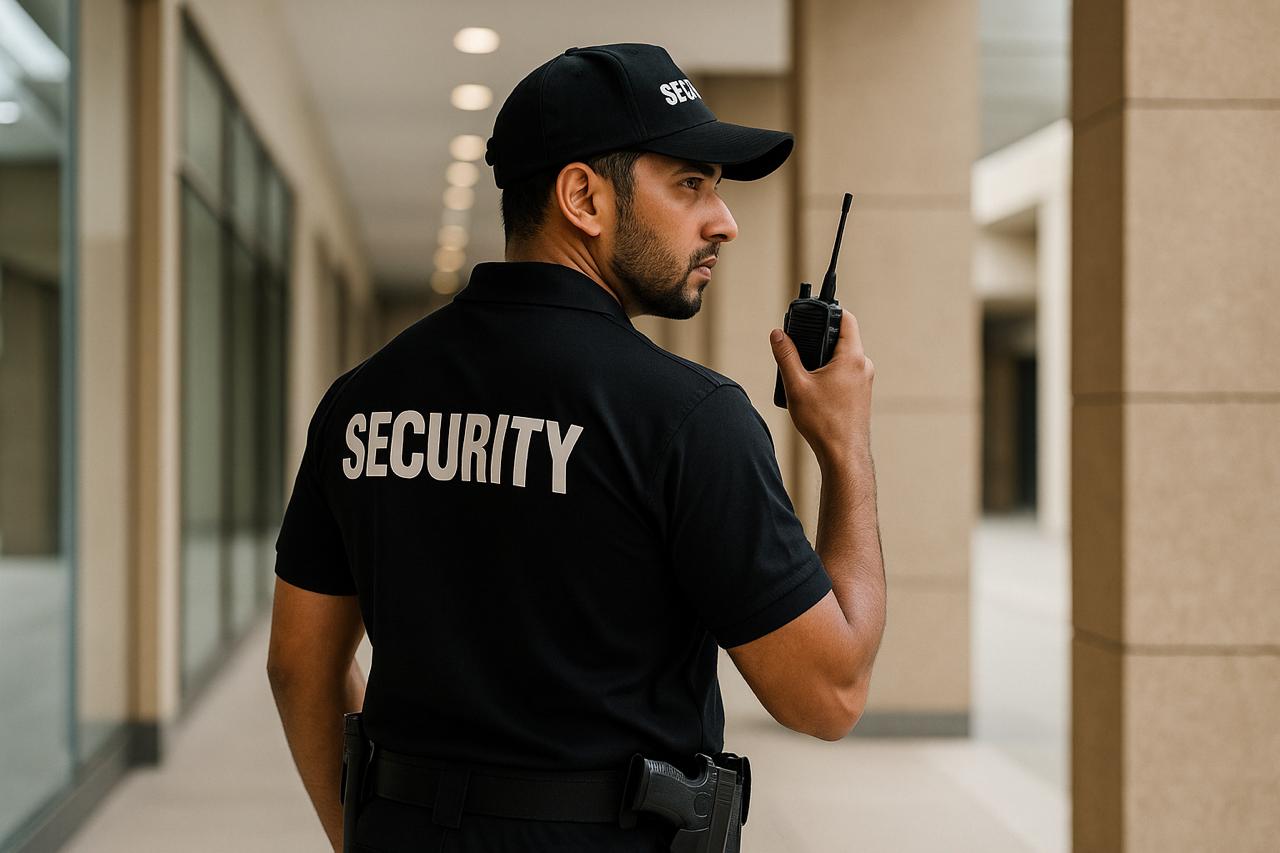
Public Entry Control
Reception and entrance posts handle visitor checks, badges, and access limits outside visiting hours.
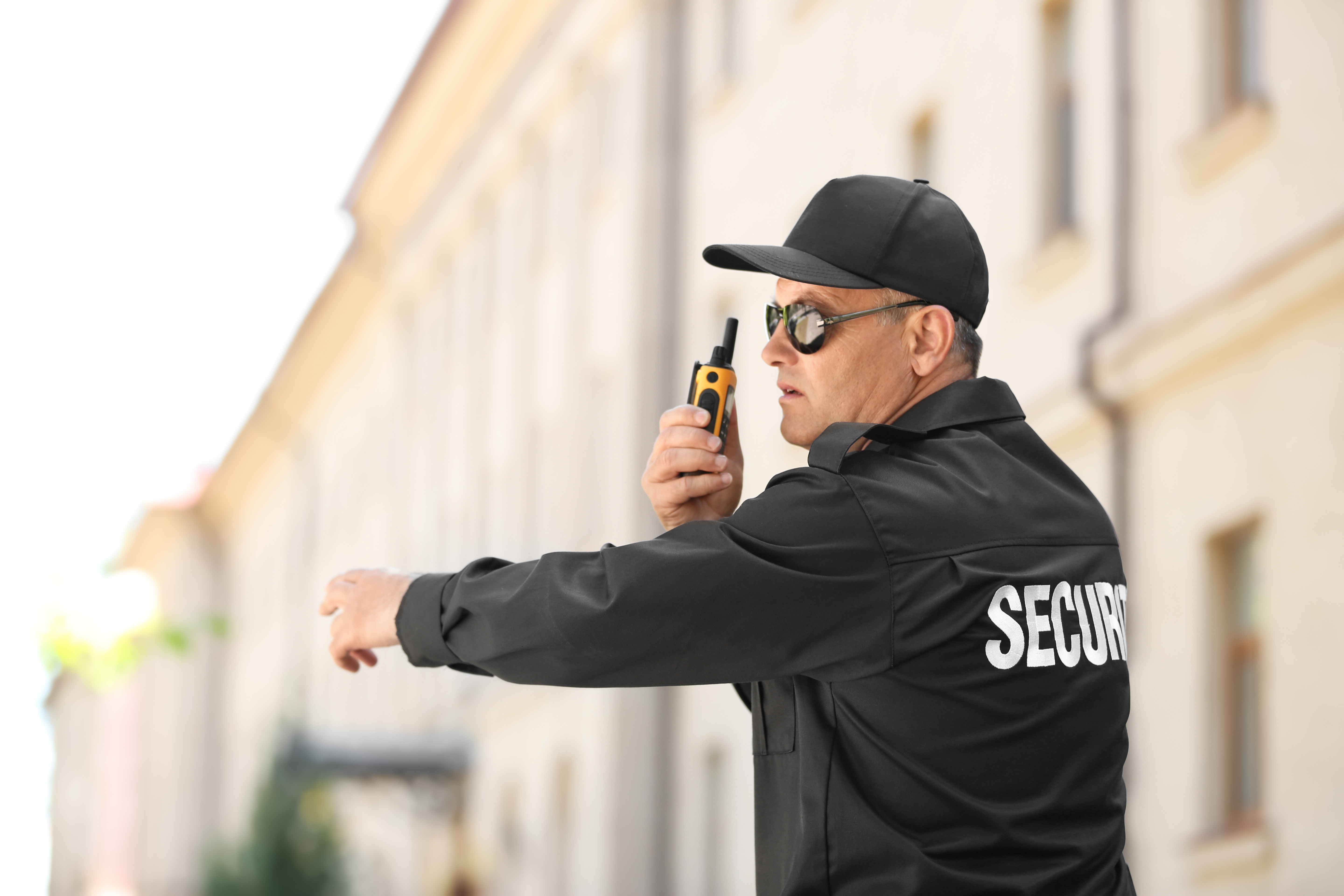
Interior And Campus Patrol
Patrol coverage includes waiting areas, patient-facing corridors, parking lots, and clinical support spaces.
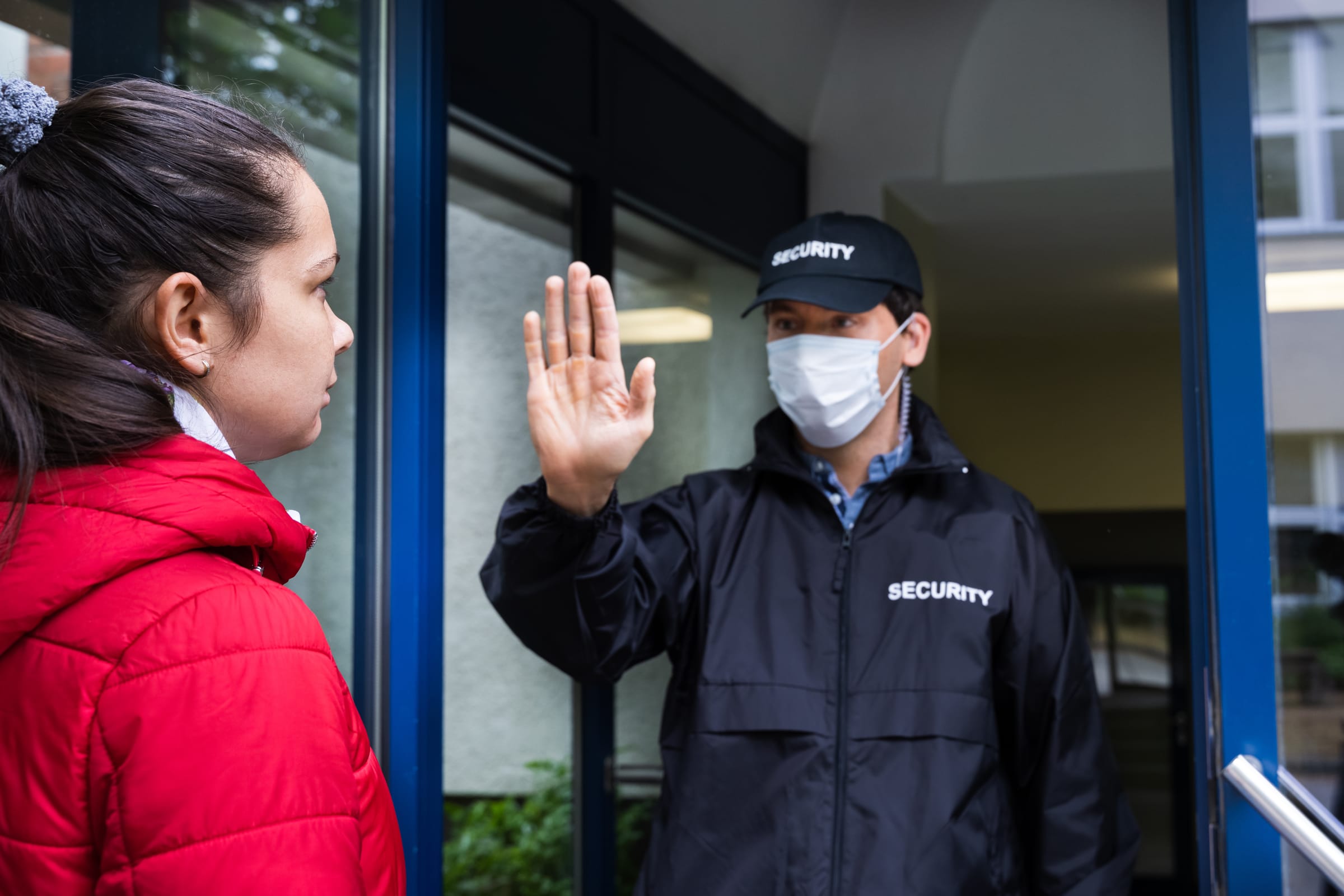
ED And Incident Support
When patient, visitor, or behavioral situations escalate, guards coordinate with nursing, operations, and clinical leaders.
Supervisor Coordination
Supervisors check post performance and reinforce facility procedures, keeping hospital leaders updated on significant events and emerging patterns.
What's Included
What A Hospital Security Program Includes
Healthcare teams need a defined set of duties and records they can use to review the service.
Campus Access Control
Guards apply visitor policies across entrances and restricted areas, recording sign-ins and enforcing after-hours limits. They address unauthorized access before individuals reach patient spaces.
Behavioral Intervention Support
Calm verbal engagement comes first when someone is distressed. During behavioral emergencies, guards provide presence and containment in support of clinical staff, who retain control of care decisions.
Staff Safety Escort
Parking and exterior escorts can support staff leaving isolated areas or working late. Guards provide requested walkthroughs and parking-lot escorts as part of the assigned post.
Documented Patrol And Reporting
Security directors can see the complete record in the platform as visitor interactions, rounds, incidents, and shift activity are logged. No manual compilation of guard reports is needed to review events.
Incident Documentation
Record the time, people involved, and follow-up actions in a consistent reporting format.
Restricted-Area Coverage
Manage entry to sensitive units and spaces reserved for staff.
Supervisor Site Checks
Use regular supervision to verify duties and maintain accountability.
Leadership Coordination
Coordinate security with nursing, operations, facilities, and risk management.
Technology Integration
Reporting That Supports Healthcare Accountability
Hospital managers rely on recorded activity and incidents to review exposure and follow through on operational concerns.
Shift Logs
Keep a record of security work at entrances, along patrol routes, and in priority departments.
Incident Reports
Provide consistent records for hospital review and incident follow-up.
Time-Stamped Records
Record when patrols, escalations, and other site activity occurred.
Client Portal Visibility
Leaders can open incident records and activity logs directly instead of requesting manual updates.
Who We Work With
The People Behind Hospital Security Decisions
Clinical teams, operations, and risk managers all contribute to the healthcare security plan.
Hospital Operations
Oversee daily movement and exposure in public-facing areas.
Facilities Teams
Review building safety, campus conditions, and access arrangements.
Risk Management
Assess incident exposure, reporting, and compliance-related concerns.
Clinical Leadership
Coordinate staff safety and incidents involving patient-facing areas.
Security Directors
Bring staffing, policy, and escalation steps into alignment.
Related Services / Industries
Explore Related Healthcare Coverage
Hospitals can combine on-site posts with after-hours patrol and wider Commercial Security support.
FAQ
Questions Healthcare Clients Ask Before Signing
Are your guards trained specifically for healthcare environments?
+
Before a healthcare shift, guards are oriented to the facility's access rules, patient-interaction guidance, restricted areas, and behavioral-response procedures. General-assignment experience does not replace that site briefing.
How do guards handle a situation involving an agitated patient or visitor?
+
Guards start with calm conversation to de-escalate. If verbal engagement is insufficient, they coordinate with clinicians and call law enforcement where warranted, supporting the care team's response rather than directing it.
Can guards be in plainclothes to reduce the institutional feel?
+
Uniforms usually provide useful visibility, both as a deterrent and as a clear source of help for staff. During onboarding we can discuss a less prominent presentation for particular outpatient or behavioral-health roles where clinically appropriate.
How do you handle callouts given the 24/7 nature of healthcare operations?
+
Relief staffing covers callouts, with hospital posts treated as a high priority because gaps directly affect operations. We communicate a confirmed replacement so you do not first learn of a callout through an absent guard.
Do your guards have healthcare-site experience?
+
Patient contact, open access, and sensitive incidents shape hospital coverage differently from a typical commercial assignment.
Can security support emergency department incidents?
+
Yes. We can plan staffing for emergency-department entrances, visitor procedures, and support when disruptive incidents escalate.
Do you coordinate with hospital leadership?
+
Yes. Post orders, reporting, and escalation contacts are agreed with facility operations and site leadership.
Can you cover overnight hospital operations?
+
Yes. Overnight plans can include public entrances, patrol rounds, and incident-response support.
How do you document incidents in clinical environments?
+
Our time-stamped reports give leaders a structured record for escalation, review, and follow-up.
Licensed, Verified, and Accountable
Texas healthcare assignments operate under Watchful Guard's DPS company license B31064101 through TOPS, with current credentials required for assigned guards. Security Guard Grid gives facility security leaders GPS-verified patrol records and real-time documentation of visitor interactions and incidents.
License
TX License B31064101
Guards
DPS Licensed
Verification
GPS-Logged Patrols
Records
Real-Time Reports
Request Hospital Coverage
Request A Hospital Security Proposal
Tell us about the care setting, public entrances, overnight activity, prior incidents, and the leaders involved. We will define coverage around the way your facility delivers care.