Warehouse Security
Security Built For Logistics Flow, Yard Control, And After-Hours Asset Protection
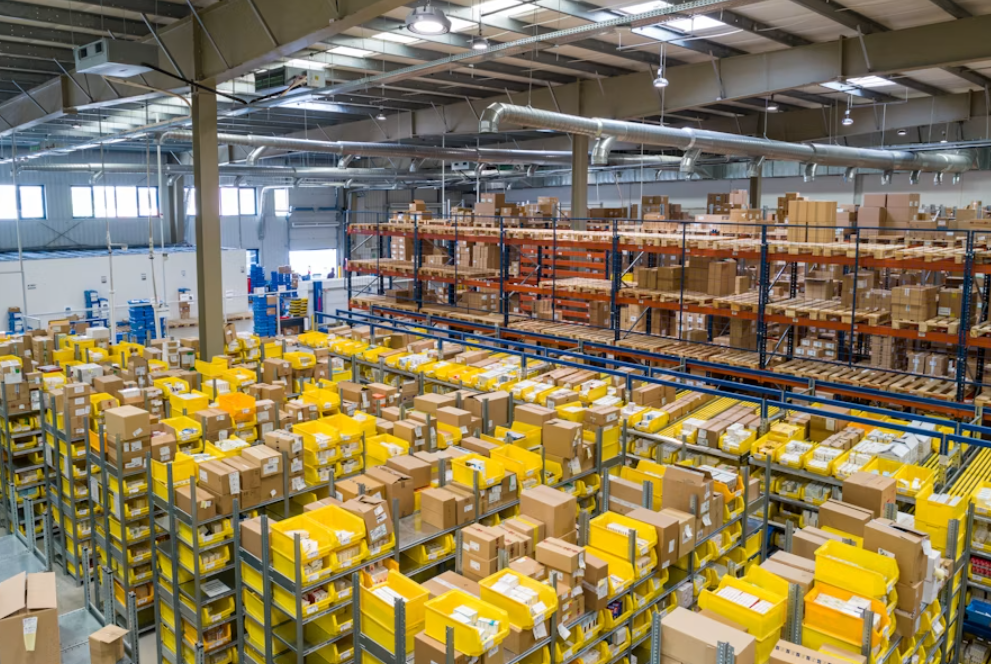
Warehouses and logistics properties deal with constant vehicle traffic, receiving activity, trailer movement, and high after-hours theft exposure. They need a security program built for operational control, not generic commercial coverage.
Types Of Logistics Properties We Cover
Industrial And Warehouse Sites We Support
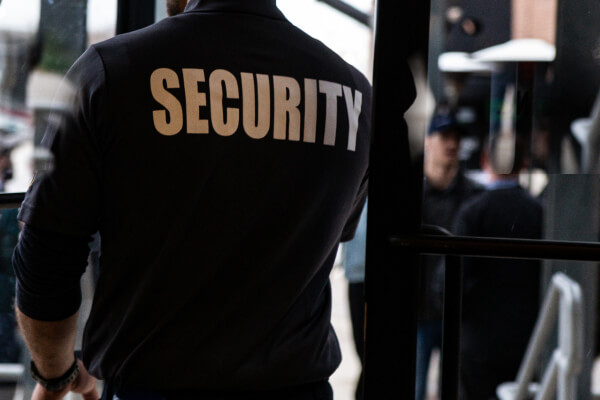
Distribution and fulfillment centers handle inventory that is worth millions and moves continuously across multiple shifts. The gate is the first line, verifying drivers, logging carrier arrivals, controlling access for vendors and contractors, and turning away individuals who have no business on site. Without controlled gate access, a warehouse cannot account for what enters and exits the property.
Read more+
Beyond the gate, warehouse security covers yard patrol during off-hours, trailer security in the yard, perimeter fence monitoring, and internal patrol of staging areas where high-value cargo is held. We deploy on single-facility accounts and multi-building industrial parks. Guards assigned to logistics accounts understand the operational tempo of a shift-based facility, including the specific vulnerabilities that arise during shift change, late-night receiving windows, and end-of-month inventory periods.


The Problem Section
The Warehouse Risks Operations Teams Are Actually Managing
Industrial sites need control over people, vehicles, trailers, and goods moving through the property at all hours.
After-Hours Theft
Warehouses remain high-value targets for product theft, trailer theft, and break-ins after operations slow down.
Gate And Yard Control
Driver check-in, trailer movement, and contractor access need active control to avoid loss and confusion.
Cargo Integrity Exposure
Receiving and shipping activity create chain-of-custody exposure if entry and movement are not documented.
Trespassing And Yard Intrusion
Perimeter gaps, trailer yards, and fence-line access points are frequent weak spots.
Employee And Vendor Access Issues
Shift changes, contractor arrival, and access abuse can create operational disruption and liability.
Documentation Gaps
Industrial clients need clean reports when incidents affect shipments, property loss, or operational review.
How We Solve It
What A Warehouse Security Deployment Actually Looks Like
Warehouse coverage combines gate control, yard visibility, trailer and perimeter patrol, and after-hours response support.
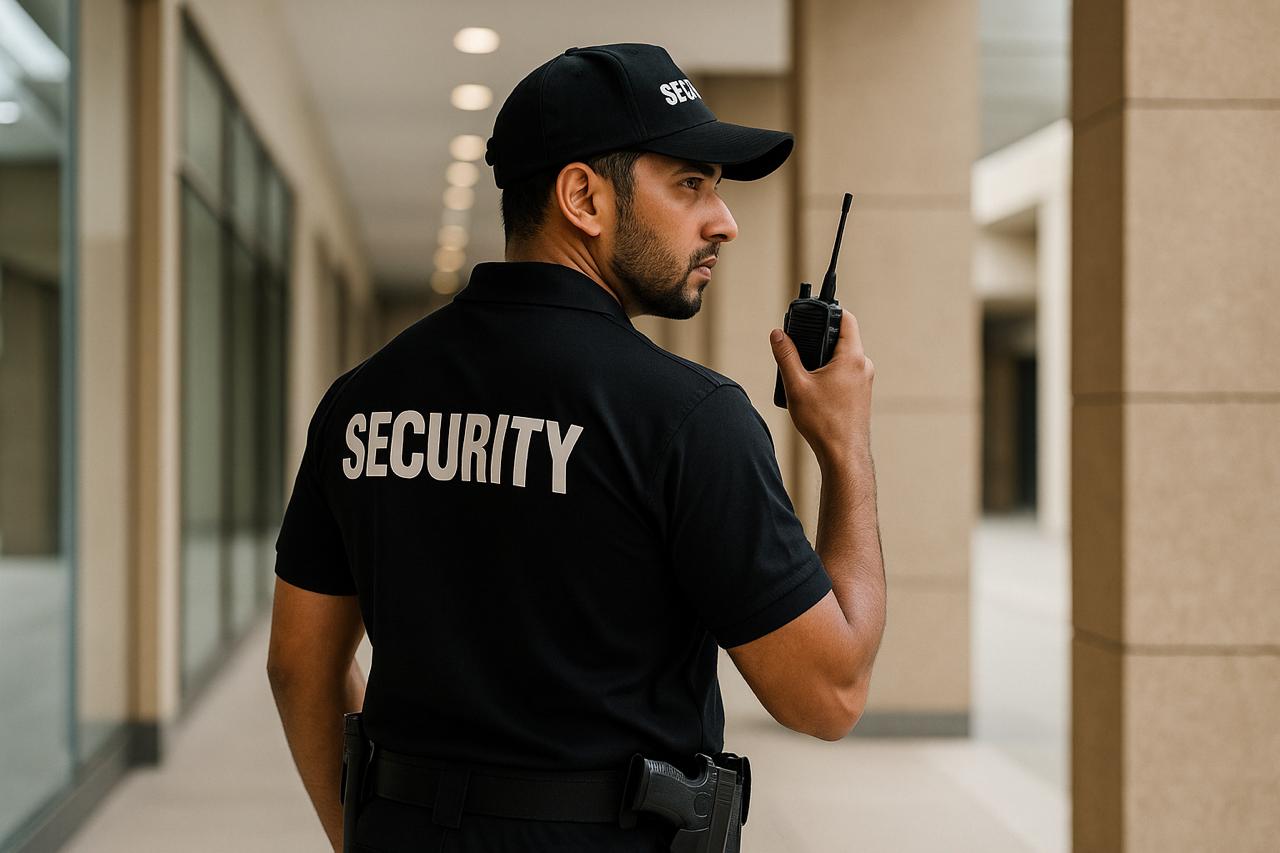
Gate Guard
Dedicated entry control for drivers, employees, vendors, and scheduled deliveries.
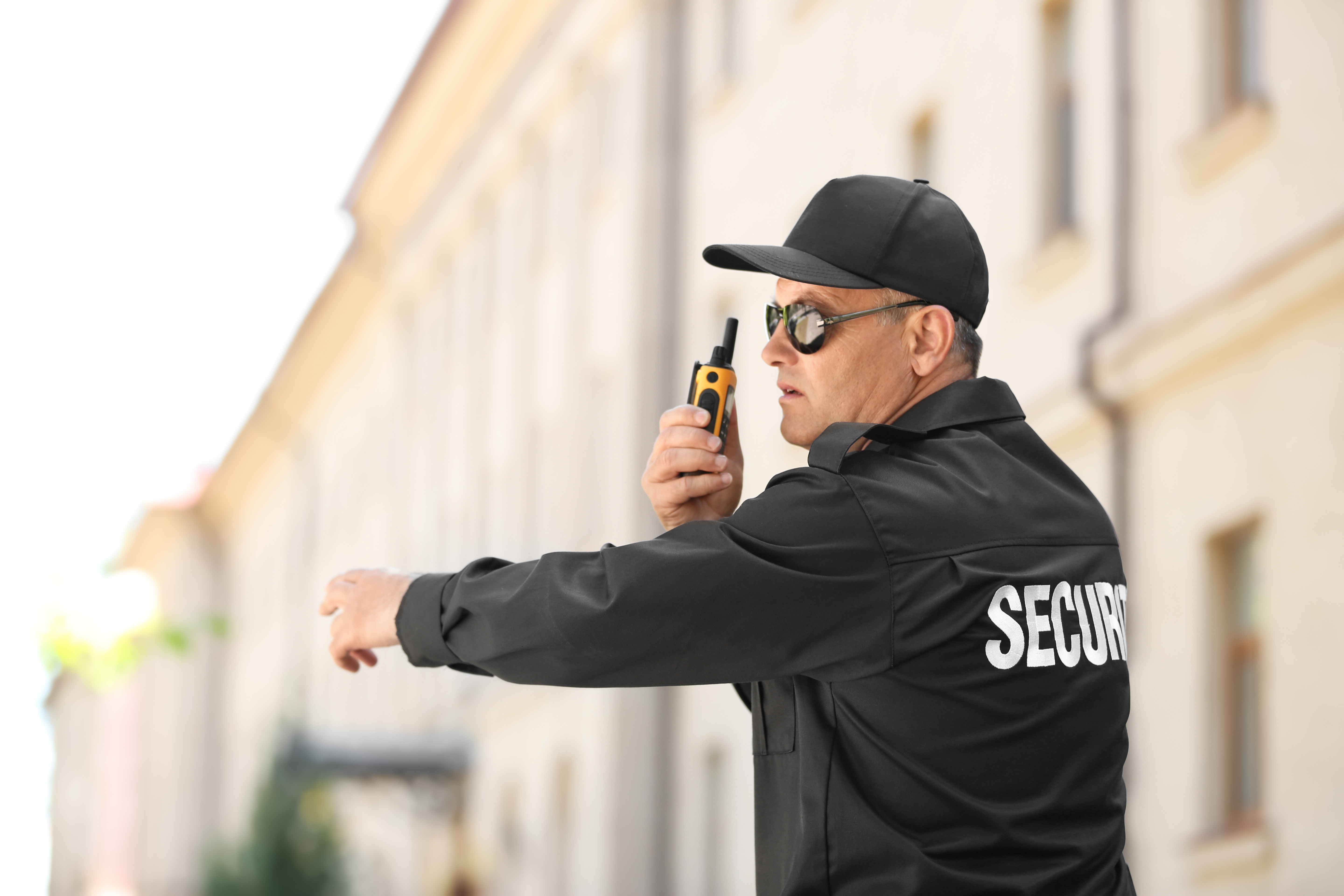
Yard And Perimeter Patrol
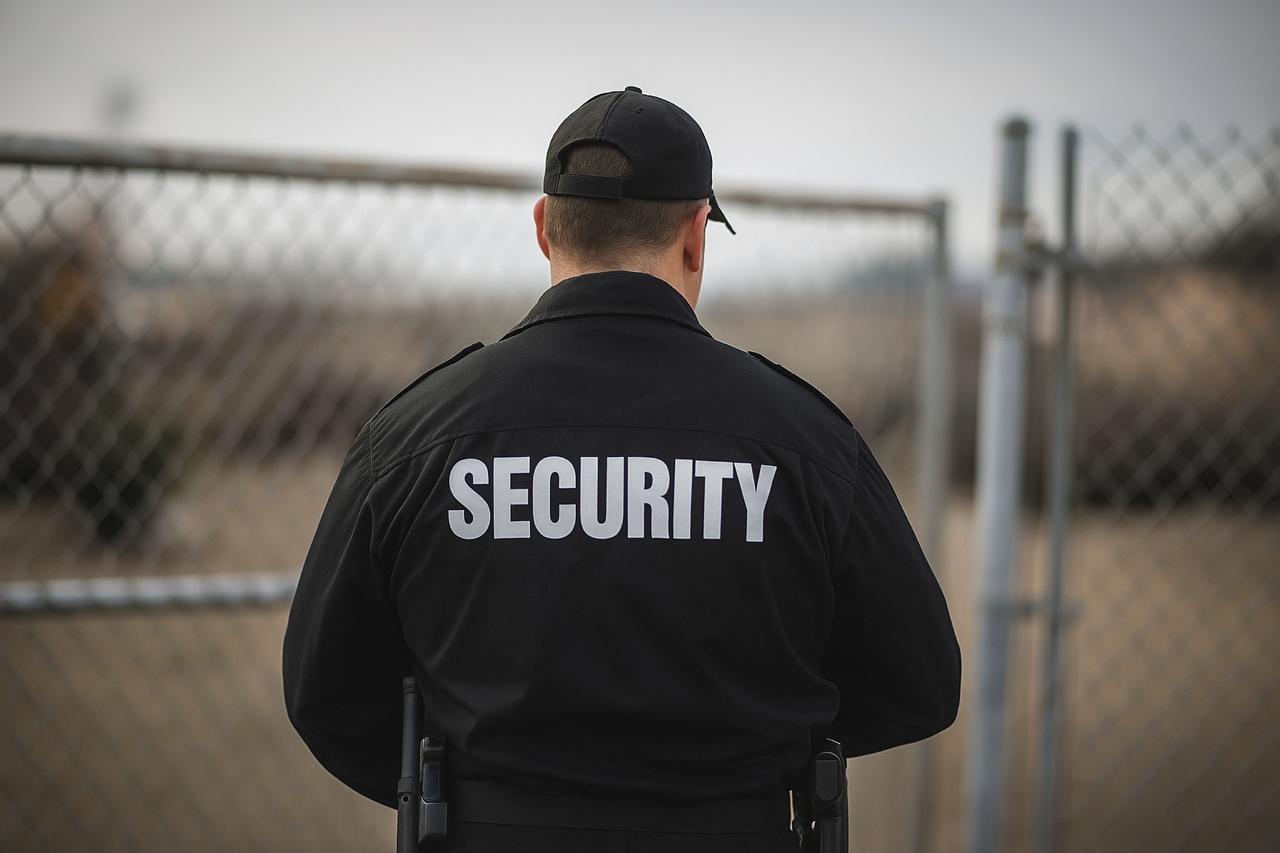
Patrols cover trailer yards, exterior touchpoints, fence lines, and building approaches.
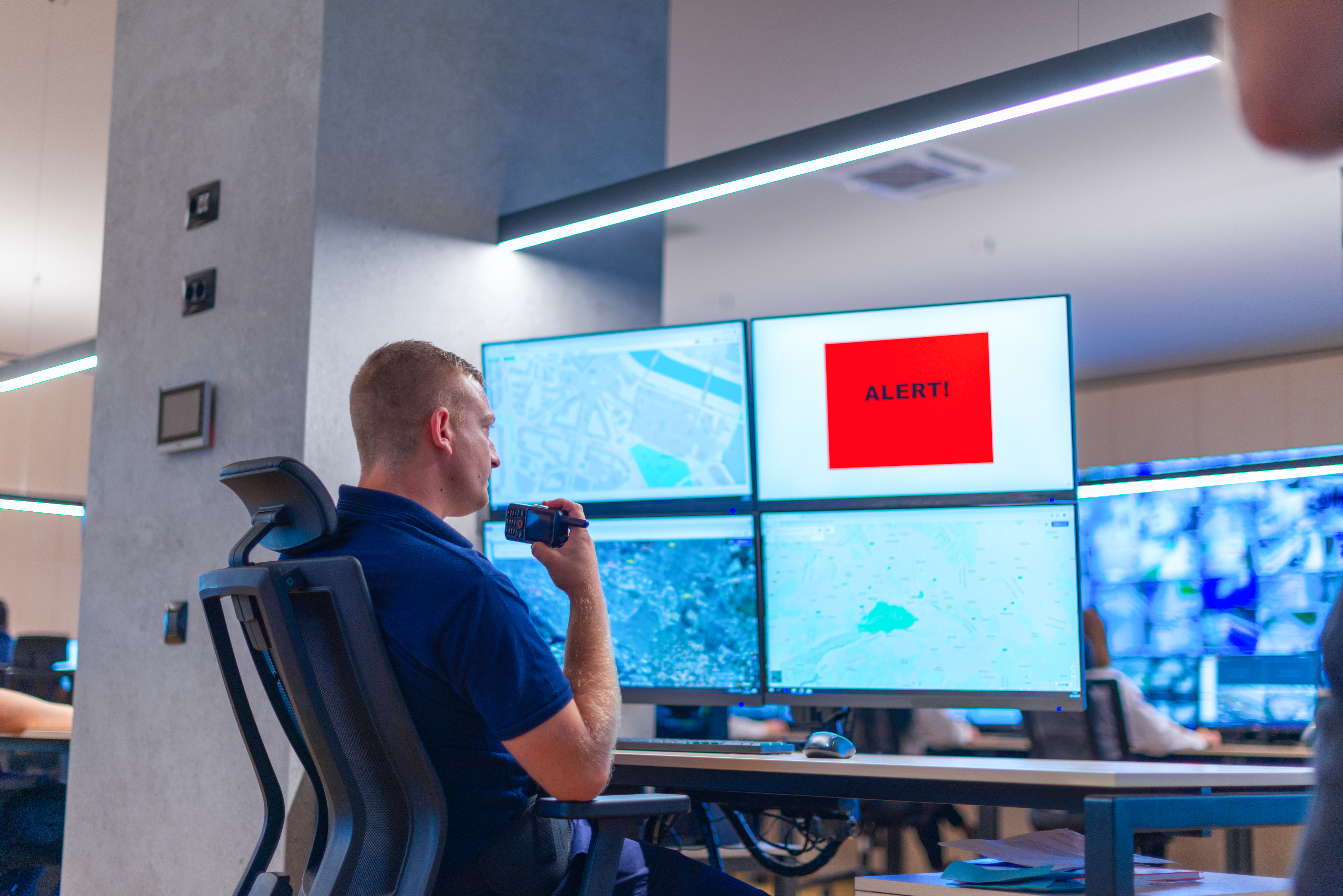
After-Hours Mobile Patrol
Mobile units handle lock checks, alarm response, perimeter verification, and randomized inspections.
Supervisor Oversight
Supervisors validate post execution, reinforce post orders, and keep warehouse operations informed on incidents, vulnerabilities, and recurring trends.
What's Included
What A Warehouse Security Program Includes
Industrial clients need clear deliverables around access, patrols, and after-hours control.
Gate Logging
Documented driver, vendor, and visitor check-in procedures.
Yard Patrols
Coverage for trailer rows, loading zones, and perimeter touchpoints.
After-Hours Protection
Lock checks, perimeter verification, and night visibility after operations shift down.
Incident Reports
Structured reporting for theft, trespass, damage, and operational disruptions.
Receiving-Area Oversight
Coverage around inbound and outbound operational touchpoints.
Perimeter Verification
Fence-line, gate, and building-exterior checks across the site.
Supervisor Site Checks
Recurring oversight to verify coverage and reinforce post discipline.
Operations Coordination
Alignment with warehouse leadership on traffic flow, incidents, and site priorities.
Gate And Yard Access Control
All carrier arrivals, vendor visits, and contractor entries are logged at the gate with timestamps and credential verification. Unauthorized vehicles are denied access, not waved through and flagged later. The gate record is the audit trail that matters most for cargo accountability.
Trailer And Cargo Yard Patrol
Trailers parked in the yard overnight are targets. Guards patrol the yard on a defined route and schedule, checking seals, logging conditions, and documenting anything unusual. Yard patrol during the overnight window is when most cargo theft attempts at logistics sites are prevented.
Perimeter And Fence Monitoring
Warehouse perimeters are large and often inadequately lit. Guards on patrol specifically check fence lines, exterior loading doors, and dark perimeter areas where access attempts occur. Any breach or damage is documented and reported immediately.
Shift Change Oversight
Shift transitions at high-volume facilities create a window of reduced accountability. Guards maintain presence during shift changes and document anything unusual in the transition period, a specific vulnerability most facility managers underestimate.
Technology Integration
Reporting That Supports Logistics Accountability
Warehouse operators need clean records around patrols, gate activity, incidents, and after-hours site conditions.
Daily Activity Logs
Documented shift activity across gates, yards, and patrol routes.
Incident Reports
Structured documentation for theft, damage, trespass, and operational disruptions.
Photo Documentation
Reports can include photo-supported context around conditions and events.
Client Portal Access
Operations teams can review site reporting without waiting on manual updates.
Related Services / Industries
Explore Related Industrial Coverage
Warehouse clients often combine on-site staffing, after-hours patrol, and broader commercial-security support.
Who We Work With
The People Behind Warehouse Security Decisions
Industrial security programs are usually driven by operations, facilities, and loss-prevention stakeholders.
Warehouse Managers
Managing day-to-day traffic, site flow, and operational disruption.
Operations Directors
Balancing staffing, throughput, and site-level risk.
Facilities Teams
Overseeing gates, perimeter security, and building conditions.
Loss Prevention
Reviewing theft exposure, documentation, and cargo-related incidents.
Ownership Groups
Watching risk exposure, accountability, and service consistency across the site.
FAQ
Questions Warehouse Clients Ask Before Signing
Can guards control driver and vendor access?
+
Yes. Warehouse coverage can include gate logging, entry control, and arrival verification procedures.
Do you cover trailer yards and exterior areas?
+
Yes. Industrial programs often prioritize yards, trailer rows, gates, and exterior access points.
Can you handle overnight theft exposure?
+
Yes. After-hours mobile patrol and site-specific lock and perimeter procedures are common parts of warehouse coverage.
How do you document industrial incidents?
+
We provide structured incident reports and activity logs designed for operations review and follow-up.
Can security scale across multiple warehouses?
+
Yes. We can scope coverage from a single facility to a broader multi-site industrial program.
What happens if a driver arrives outside the normal receiving window and demands access?
+
The post order defines exactly which situations the gate guard handles independently and which require a call to the operations contact. Unscheduled late arrivals are typically escalated to the operations manager on duty before access is granted. Guards do not improvise on access decisions, the escalation protocol is defined before the first shift.
Can guards verify cargo seal numbers and document discrepancies?
+
Yes, for accounts where cargo documentation is part of the post. Guards can be trained on seal-check procedures specific to the facility and log discrepancies in the platform in real time, giving operations management a record of every exception.
How do you handle a potential cargo theft in progress?
+
Guards do not attempt physical intervention against an active theft involving a group or weapons. Protocol is to document, call law enforcement immediately, notify the operations contact, and maintain a safe observation position. We train guards on what they can do that is both safe and legally sound.
Do you cover 24/7 or just overnight?
+
Warehouse accounts can be structured around whatever coverage window the facility needs, overnight only, 24/7, or specific shift coverage. The coverage hours are defined by the facility's actual risk windows and operational requirements, not by a default schedule we impose.
Licensed, Verified, and Accountable
Watchful Guard operates in California as a licensed Private Patrol Operator under BSIS PPO #122454. All California warehouse guards hold current BSIS Security Guard registrations. Every gate entry, patrol route, and incident is logged through Security Guard Grid with GPS verification, giving operations managers a complete, time-stamped activity record for every shift.
License
BSIS PPO #122454
Guards
BSIS Registered
Verification
GPS-Verified Activity
Records
Time-Stamped Shift Logs
Request Warehouse Coverage
Request A Warehouse Security Proposal
Tell us about the facility type, trailer-yard exposure, access points, receiving activity, and after-hours concerns. We'll scope an industrial security program around the way your site operates.