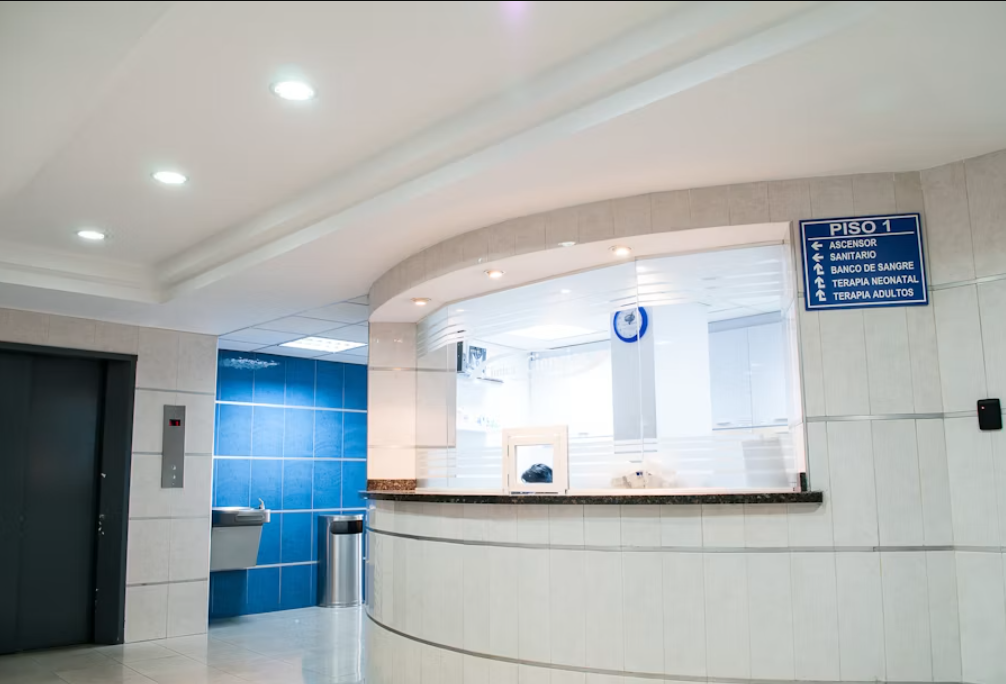
Hospital Security
Security Built For Clinical Operations, Patients, And Staff Safety
Hospitals operate 24/7 with open public access, behavioral-health incidents, emergency-department pressure, and constant movement between patients, families, staff, vendors, and visitors. They need a security program built for healthcare operations, not a generic lobby post.
What We Cover
What We Cover in Healthcare Security
Hospitals and medical facilities face security challenges that most other industries do not, 24-hour public access, emotionally distressed visitors, psychiatric patients, pharmaceutical storage, and staff who regularly work alone in patient areas. The risk is not abstract; healthcare workers face more workplace violence incidents than any other sector, and most of those incidents involve individuals who are already inside the facility.
Read more +
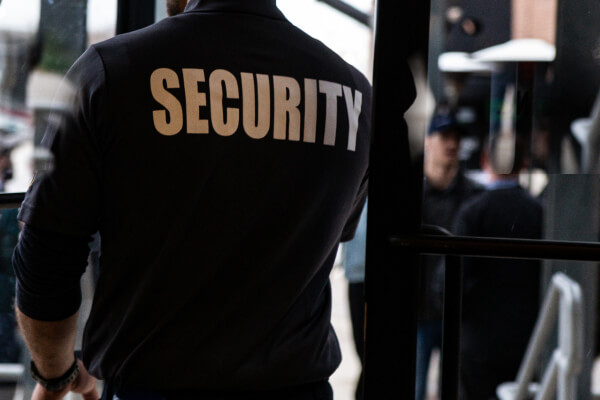
We deploy on medical campuses, acute care hospitals, psychiatric facilities, urgent care centers, and outpatient surgical centers. Guards are briefed on the specific protocols of each facility , how to approach a distressed individual in a waiting room is different from how to respond to a behavioral escalation in an ED. Post orders are developed with the facility security director and reflect the actual incidents the site has experienced, not generic healthcare security assumptions.


The Problem Section
The Risks Healthcare Teams Are Actually Managing
Hospital security is built around patient care, public access, and rapid escalation. Clinical leaders need guards who can protect people without disrupting care delivery.
ED Disruptions
Emergency departments routinely deal with high emotion, long wait times, family disputes, and escalated patient interactions.
Behavioral Health Incidents
Behavioral-health holds and psychiatric episodes require calm presence, controlled response, and immediate escalation support.
Unauthorized Access
Restricted units, medication storage, staff-only corridors, and patient areas all need active access control.
Workplace Violence Exposure
Healthcare workers face elevated workplace violence risk, especially in public-facing and overnight environments.
Visitor And Family Management
Hospitals need a professional process for visitors, restricted-hour enforcement, and family escalation around care areas.
Documentation Liability
Healthcare incidents require clean reporting for compliance, risk review, and internal follow-up.
How We Solve It
What A Hospital Security Deployment Actually Looks Like
Healthcare coverage combines public-entry control, active interior visibility, incident response support, and clinical coordination.
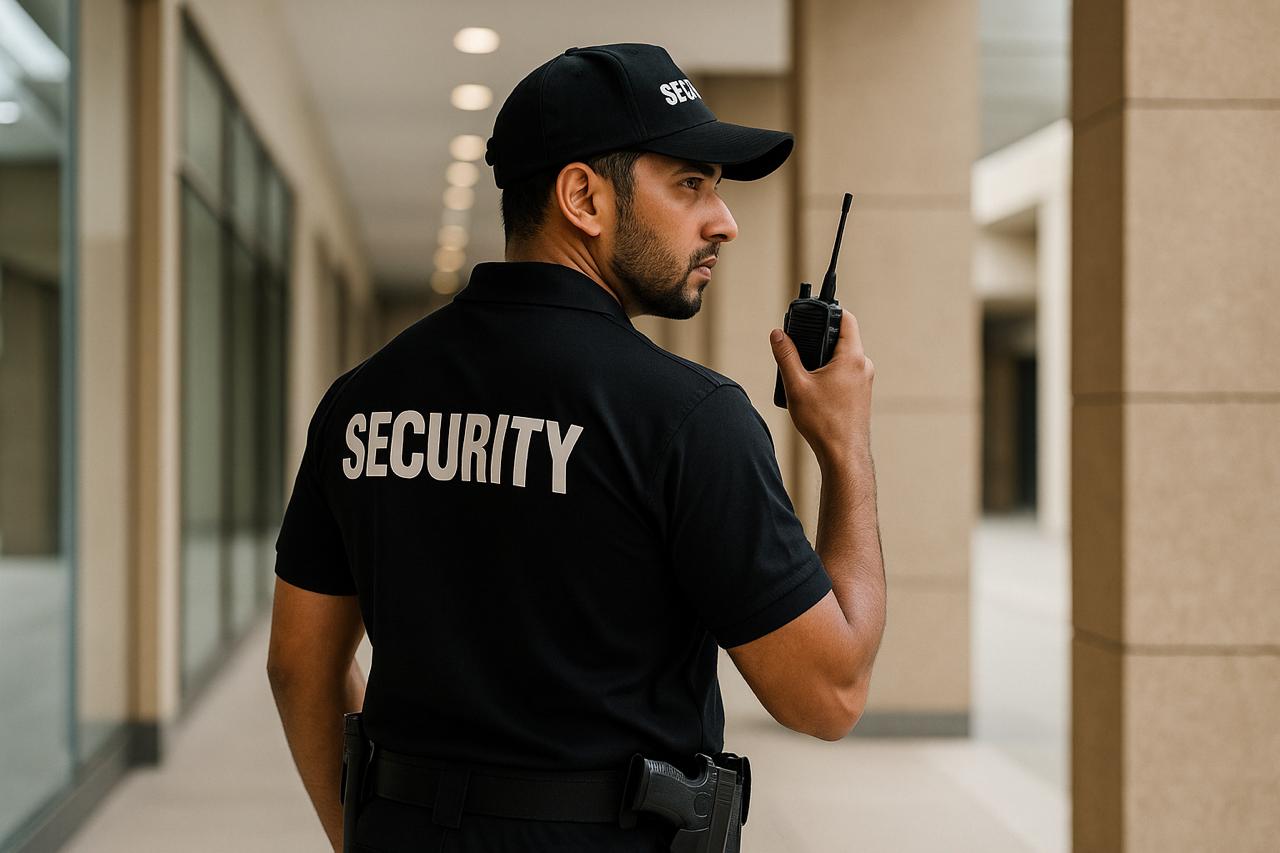
Public Entry Control
Front-entry and reception guards manage visitor screening, badge procedures, and restricted-hour enforcement.
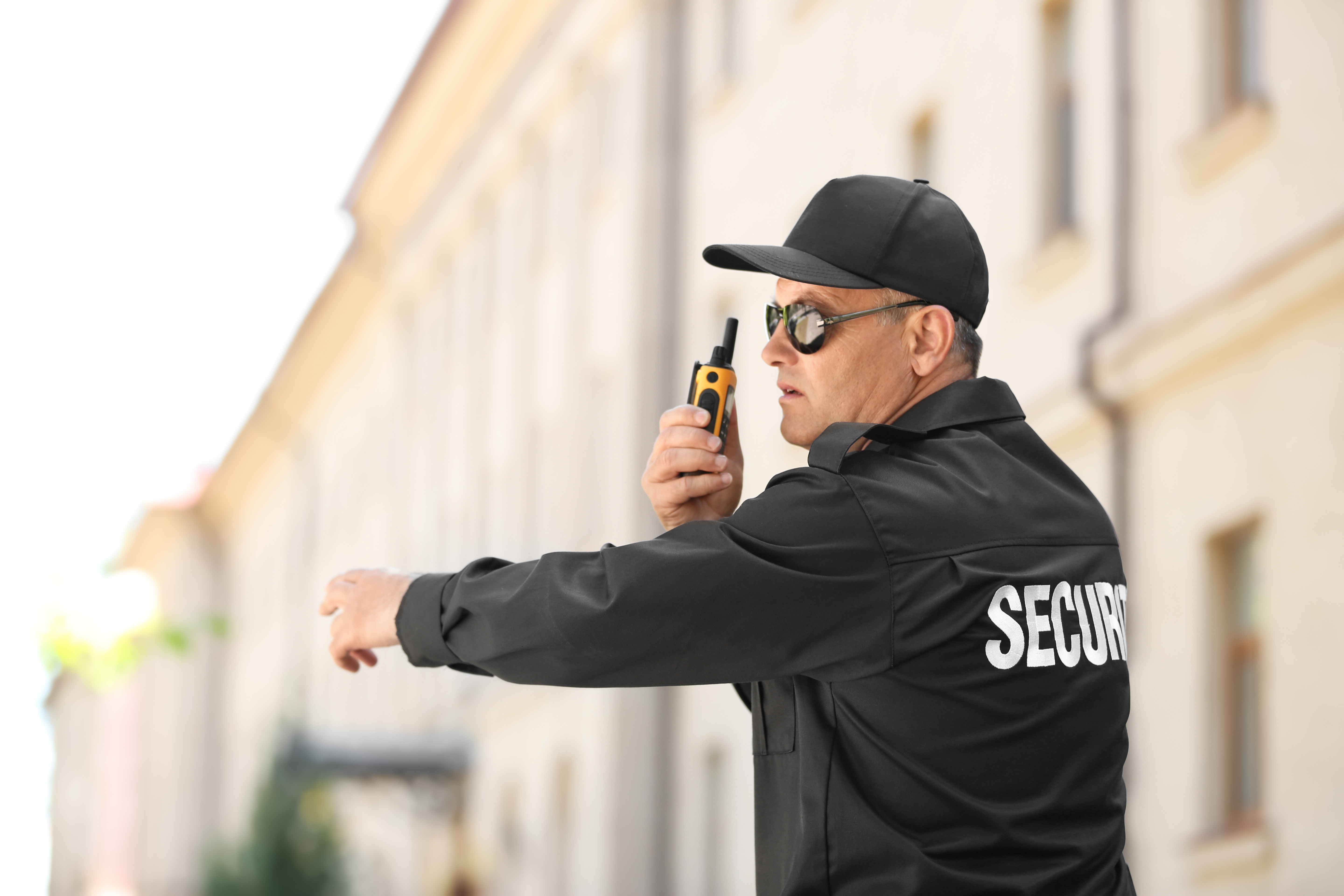
Interior And Campus Patrol
Guards cover patient-facing corridors, public waiting areas, parking lots, and clinical support zones.
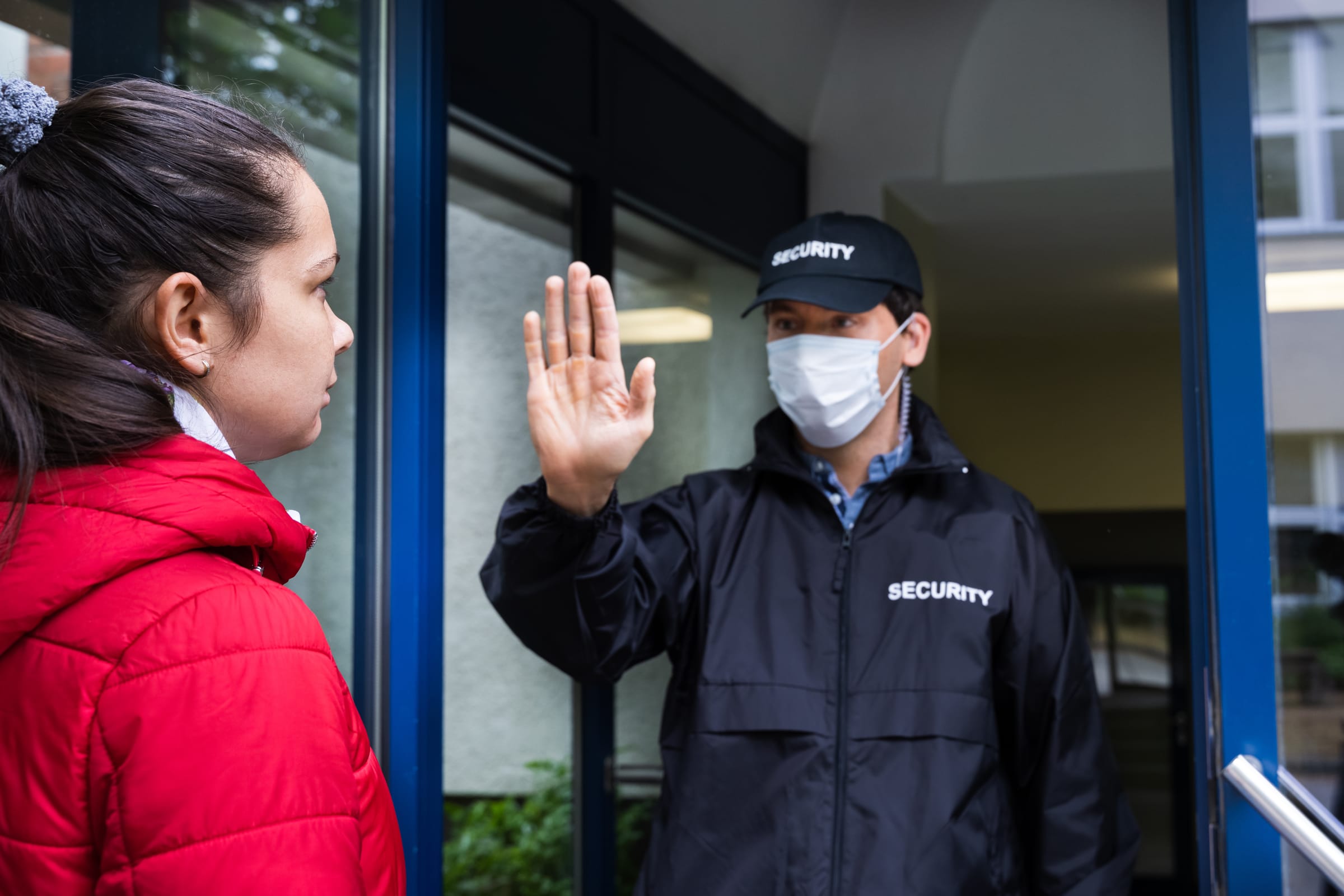
ED And Incident Support
Security works alongside nursing, operations, and clinical leadership when patient, visitor, or behavioral incidents escalate.
Supervisor Coordination
Field supervision validates post performance, reinforces healthcare-specific protocols, and keeps hospital leadership informed on significant incidents and trends.
What's Included
What A Hospital Security Program Includes
Healthcare clients need clear operational deliverables, not generic promises of presence.
Campus Access Control
Hospitals have multiple entry points, visitor policies, and restricted areas that need consistent enforcement. Guards manage visitor sign-in, enforce after-hours access restrictions, and handle unauthorized individuals before they reach patient areas.
Behavioral Intervention Support
Guards are trained to approach distressed individuals with de-escalation as the primary tool. In behavioral emergencies, guards support clinical staff response, providing presence and containment while clinical decision-making stays with the care team.
Staff Safety Escort
Staff who work late shifts or in isolated areas need an escort option when they move through parking structures or external areas. Guards provide walkthroughs on request and are available for parking lot escorts as part of the post.
Documented Patrol And Reporting
All patrol routes, visitor management interactions, incidents, and shift events are logged in the platform in real time. Hospital security directors access the full record without requiring guard reports to be compiled and submitted manually.
Incident Documentation
Structured reporting with timing, involved parties, and follow-up notes.
Restricted-Area Coverage
Controlled access around sensitive units and staff-only areas.
Supervisor Site Checks
Recurring oversight to validate post execution and accountability.
Leadership Coordination
Security aligned with operations, nursing, facilities, and risk teams.
Technology Integration
Reporting That Supports Healthcare Accountability
Hospital leadership needs documented activity and incident records that support risk review and operational follow-up.
Shift Logs
Documented security activity across entrances, patrol routes, and key departments.
Incident Reports
Structured reporting that supports hospital review and follow-up.
Time-Stamped Records
Documented timing around patrols, escalations, and site activity.
Client Portal Visibility
Leadership can review logs and incidents without waiting on manual updates.
Who We Work With
The People Behind Hospital Security Decisions
Healthcare security programs are shaped by clinical, operational, and risk-management stakeholders.
Hospital Operations
Managing day-to-day flow and public-facing risk.
Facilities Teams
Overseeing access, campus conditions, and building safety.
Risk Management
Reviewing incident exposure, documentation, and compliance concerns.
Clinical Leadership
Coordinating around patient-facing incidents and staff safety.
Security Directors
Aligning policy, staffing, and escalation procedures.
Related Services / Industries
Explore Related Healthcare Coverage
Hospital clients often combine site staffing, after-hours patrol, and broader commercial-security support.
FAQ
Questions Healthcare Clients Ask Before Signing
Are your guards trained specifically for healthcare environments?
+
Guards assigned to healthcare accounts receive orientation on the specific facility before their first shift, covering access protocols, patient interaction guidelines, restricted area policies, and the behavioral response procedures used at the facility. We do not send general-assignment guards to healthcare sites without that briefing.
How do guards handle a situation involving an agitated patient or visitor?
+
De-escalation is the first tool. Guards are trained to use calm verbal engagement before any physical intervention. When a situation cannot be resolved verbally, guards coordinate with clinical staff and, if warranted, contact law enforcement. Guards support the clinical response , they do not override it.
Can guards be in plainclothes to reduce the institutional feel?
+
For most healthcare accounts, uniformed presence is the appropriate choice because visibility itself is a deterrent and signals to staff that help is nearby. For specific roles like outpatient or behavioral health environments where a less prominent appearance is clinically appropriate, we can discuss presentation options during the onboarding process.
How do you handle callouts given the 24/7 nature of healthcare operations?
+
We maintain relief staffing to cover callouts without leaving a post unmanned. Healthcare accounts are flagged as high-priority for callout response because an unmanned hospital post has direct operational implications. When a callout occurs, you should hear from us with a confirmed replacement, not find out when the guard fails to show.
Do your guards have healthcare-site experience?
+
Hospital coverage is structured around public access, patient-facing environments, and higher incident sensitivity than a standard commercial property.
Can security support emergency department incidents?
+
Yes. We can scope staffing around ED access, visitor control, and escalation support for disruptive incidents.
Do you coordinate with hospital leadership?
+
Yes. We align with operations, facilities, and site leadership on post orders, escalation paths, and reporting.
Can you cover overnight hospital operations?
+
Yes. Hospitals often need overnight public-entry control, patrols, and incident response support.
How do you document incidents in clinical environments?
+
We provide structured, time-stamped reporting designed to support follow-up, escalation, and leadership review.
Licensed, Verified, and Accountable
Watchful Guard operates in California as a licensed Private Patrol Operator under BSIS PPO #122454. All California healthcare guards hold current BSIS Security Guard registrations. Every patrol, visitor interaction, and incident is logged through Security Guard Grid with GPS verification and real-time documentation accessible to facility security leadership.
License
BSIS PPO #122454
Guards
BSIS Registered
Verification
GPS-Logged Patrols
Records
Real-Time Reports
Request Hospital Coverage
Request A Hospital Security Proposal
Tell us about the care environment, public-access points, overnight needs, incident history, and leadership stakeholders. We'll scope a healthcare security program around the way your site actually operates.