According to FBI crime statistics, a property crime occurs roughly every 4 seconds in the United States, and many victims had no active security measures in place.
Setting up a security system for your home is a necessity. But with so many options on the market, from cameras and alarm panels to motion sensors and smart locks, it can be difficult to know where to start.
This guide breaks down how home security systems work, what types exist, their pros and cons, and how to layer them effectively for stronger protection.
What Is a Home Security System?
A home security system is a network of devices and services designed to detect, deter, and respond to unauthorized access, intrusions, or emergencies at your property.
At its core, a security system typically includes entry sensors on doors and windows, motion detectors, security cameras, a control panel, an alarm, and either self-monitoring or professional monitoring.
Modern systems connect these components through Wi-Fi, cellular networks, or both, giving homeowners real-time visibility into what is happening at their property from almost anywhere.
Types of Home Security Systems
Self-monitored DIY systems like Ring, SimpliSafe, and Google Nest are popular for affordability and easy installation. They send alerts directly to your phone, leaving you to decide when to call police or take action.
Professionally monitored systems connect to a 24/7 monitoring center that receives alerts and can dispatch emergency services on your behalf.
Wired systems connect devices through your home's electrical infrastructure. They can be highly reliable, but they usually require professional installation and are harder to relocate.
Wireless and smart home systems communicate through Wi-Fi, Z-Wave, or similar technology and can integrate with devices such as Alexa, Google Home, locks, lights, and thermostats.
Standalone alarm monitoring services can watch over an existing alarm setup and escalate alerts to the right parties, including on-site personnel when needed.
Key Components to Look For
When evaluating any home security system, prioritize features that preserve visibility and response capability when conditions are not ideal.
- Cameras with night vision and wide-angle coverage for clear footage in low light.
- Two-way communication through intercoms or smart doorbells so you can speak to visitors without opening the door.
- Cellular backup so the system can keep working during internet disruptions.
- Tamper detection that alerts you when a device is moved, covered, disabled, or otherwise interfered with.
- A mobile app with real-time alerts, remote arming, remote disarming, and live camera access.
- Integration with alarm response services that can dispatch trained personnel when an alert is triggered.
The Limits of Technology-Only Security
Smart cameras, motion sensors, and alarm panels are powerful tools, but they share a fundamental limitation: they can detect a threat, but they cannot physically stop one.
A burglar may cut power, jam Wi-Fi, or act quickly while the homeowner is unavailable. An alarm may trigger while you are asleep, traveling, or unable to check your phone. A trespasser may linger on your property because they know a camera is present but no one is coming.
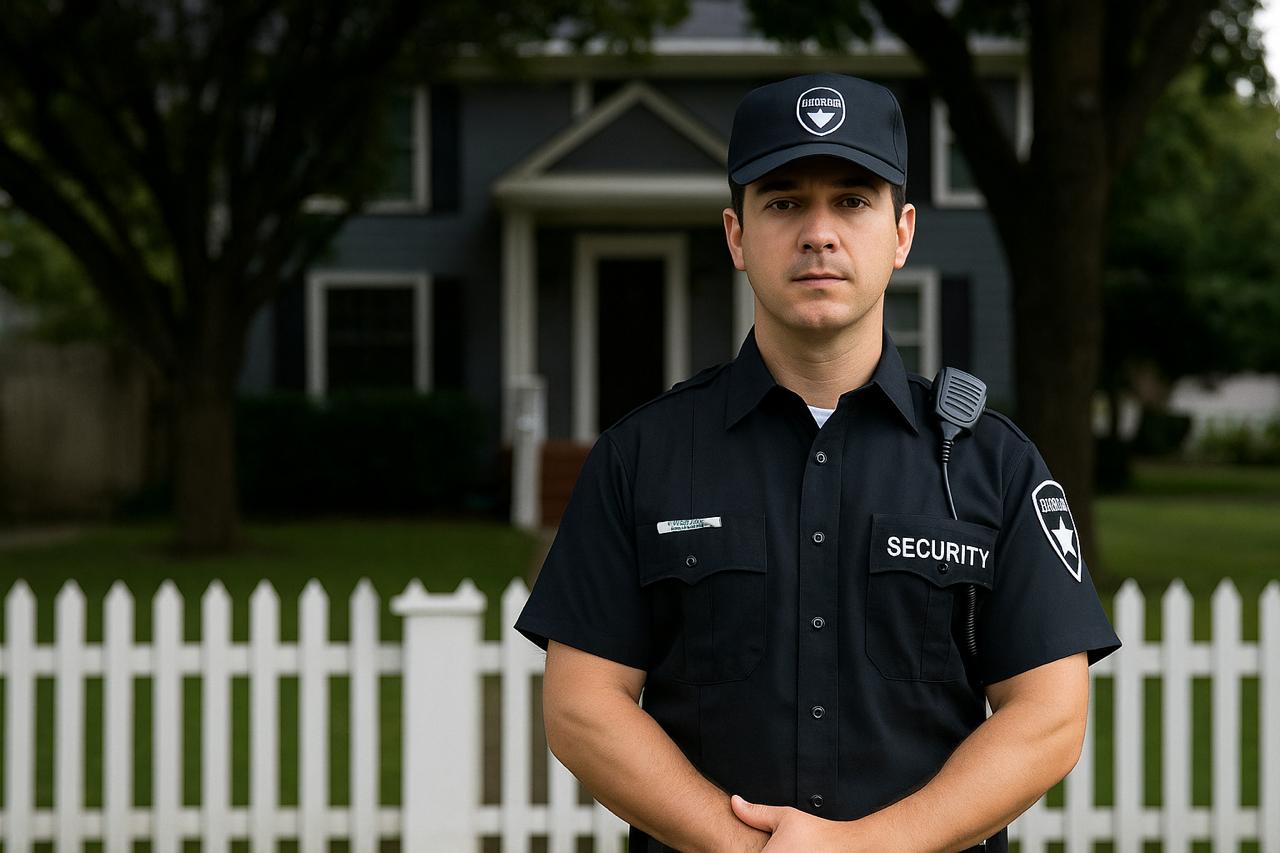
This is why homeowners in higher-risk neighborhoods or those with high-value properties often combine technology with professional security services such as alarm response, mobile patrol, and remote monitoring.
Top 5 Best Home Security Systems in 2026
ADT is a strong overall choice for professional monitoring, established infrastructure, Google Nest integration, professional installation, and long-term reliability. It is best for homeowners who want a proven monitoring network and white-glove setup.
SimpliSafe is one of the strongest options for flexibility and value. It works well for renters, budget-conscious homeowners, and people who want wireless equipment with no long-term contract.
Vivint is best for smart home integration. It offers premium professionally installed equipment, advanced cameras, and automation controls for locks, lighting, thermostats, and security devices.
Ring Alarm is best for homeowners already invested in the Amazon ecosystem. It offers strong camera quality, affordable monitoring, a large device ecosystem, and no required contract.
Frontpoint is best for DIY users who still want advanced automation. It combines self-installation with camera controls, local and cloud storage options, professional monitoring, and added personal safety features.
How to Choose the Right System
The best home security system is the one that matches your property, lifestyle, and response plan. Renters usually benefit from wireless, contract-free systems that can move with them. Homeowners may prefer professionally installed systems with stronger integration and monitoring options.
Budget matters as much as equipment. Monthly monitoring fees can add up, so compare both upfront costs and yearly subscription costs. Also consider how much smart home integration you actually need.
Most importantly, decide what happens when an alarm triggers and you are unavailable. That is where professional monitoring and alarm response services become critical.
Final Thoughts
A quality home security system is one of the most important investments you can make for your family's safety. The key is choosing a system that suits your property, your lifestyle, and your emergency response plan.
Technology handles detection. What happens after detection is what determines how protected you actually are. Pairing your system with professional alarm response or mobile patrol services closes the gap between an alert going off and someone actually showing up.