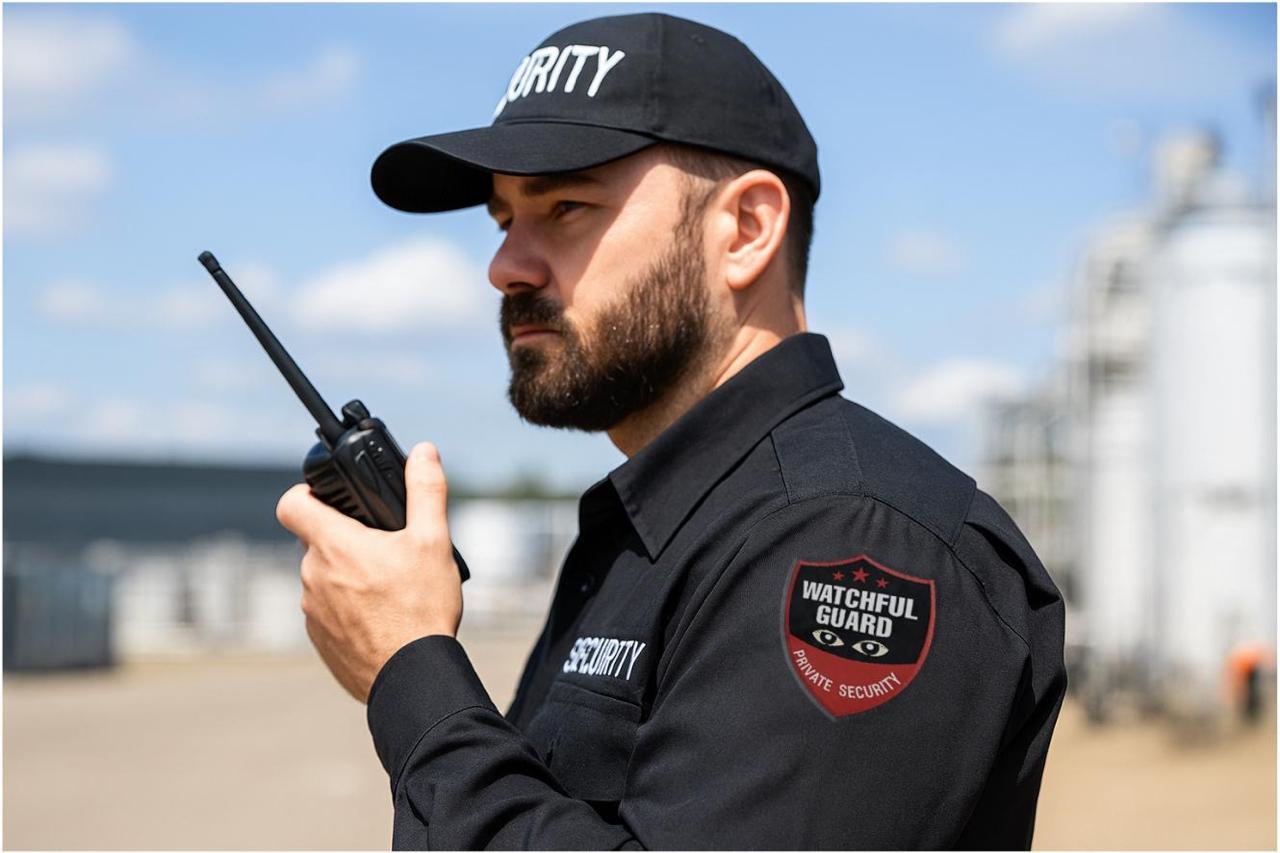
Security starts before the first shift. We begin every new account with a site risk review, identify vulnerable entry points, define escalation paths, and build post orders around real operating hours and foot traffic patterns.
Once deployment starts, guards follow checkpoint routes, access control procedures, and incident-reporting standards that are monitored in real time. Supervisors validate coverage windows and response readiness throughout the shift.
When incidents happen, response is structured: detect, verify, communicate, and resolve. Every event is documented with time-stamped records so clients can see what happened, when it happened, and what action was taken.
1. Pre-Deployment Risk Mapping
Before guards are assigned, each location is evaluated for exposure points: entrances, lighting gaps, after-hours traffic, and prior incident trends. This risk map determines shift density, post positions, patrol routes, and escalation thresholds.
2. Shift Execution and Verification
Every officer operates from documented post orders. Supervisors verify checkpoint completion and patrol compliance. This removes uncertainty and ensures security presence is measured, not assumed.
3. Event Escalation Workflow
When an event occurs, officers follow a clear chain: confirm the event, isolate the area, notify dispatch, and execute the site response protocol. This creates faster control with fewer communication failures.
4. Reporting and Client Transparency
Each incident is logged with evidence and timeline data. Clients receive structured reports that support internal review, insurance requirements, and operational planning for future prevention.