Commercial Security
Built for Active, High-Traffic Environments
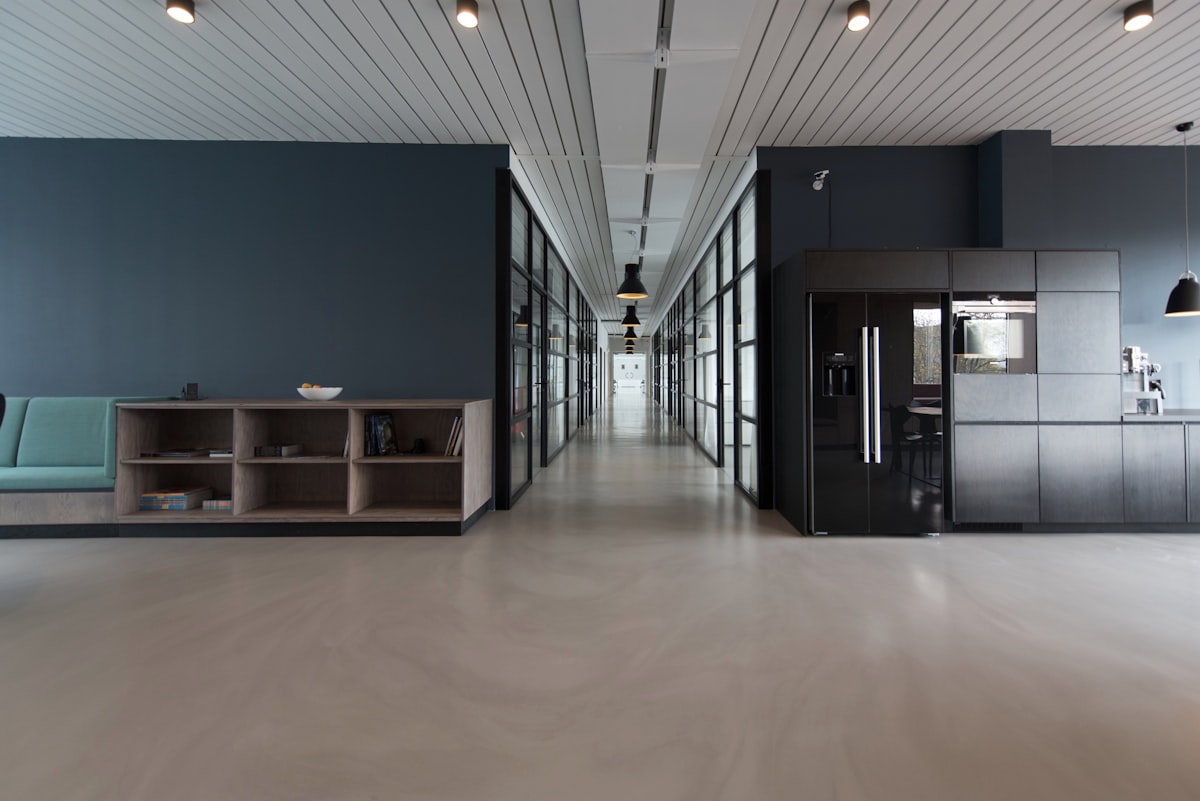
Commercial properties face layered risk every day, from tenant and visitor traffic to after-hours access, parking structures, delivery areas, and shared entry points. They need an active security program with visible presence, real-time awareness, and documented response, not just a static guard at the front.
Types of Commercial Properties We Cover
Commercial Property Types We Support
Different assets carry different operational demands. Naming the property types matters because a Class A office tower, a mixed-use building, and a data center do not need the same security program.


The Real Risks in Commercial Properties
The Problems Facilities Teams Are Actually Managing
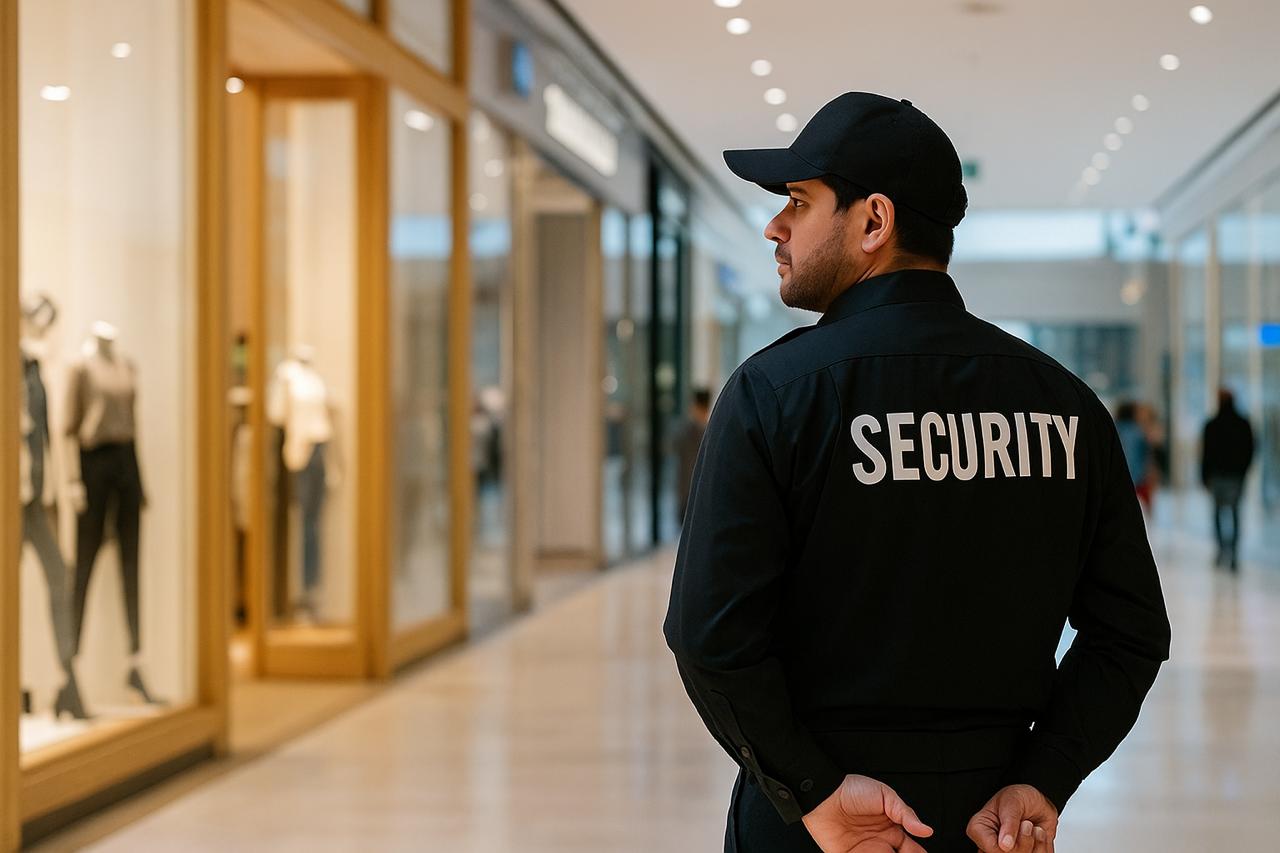
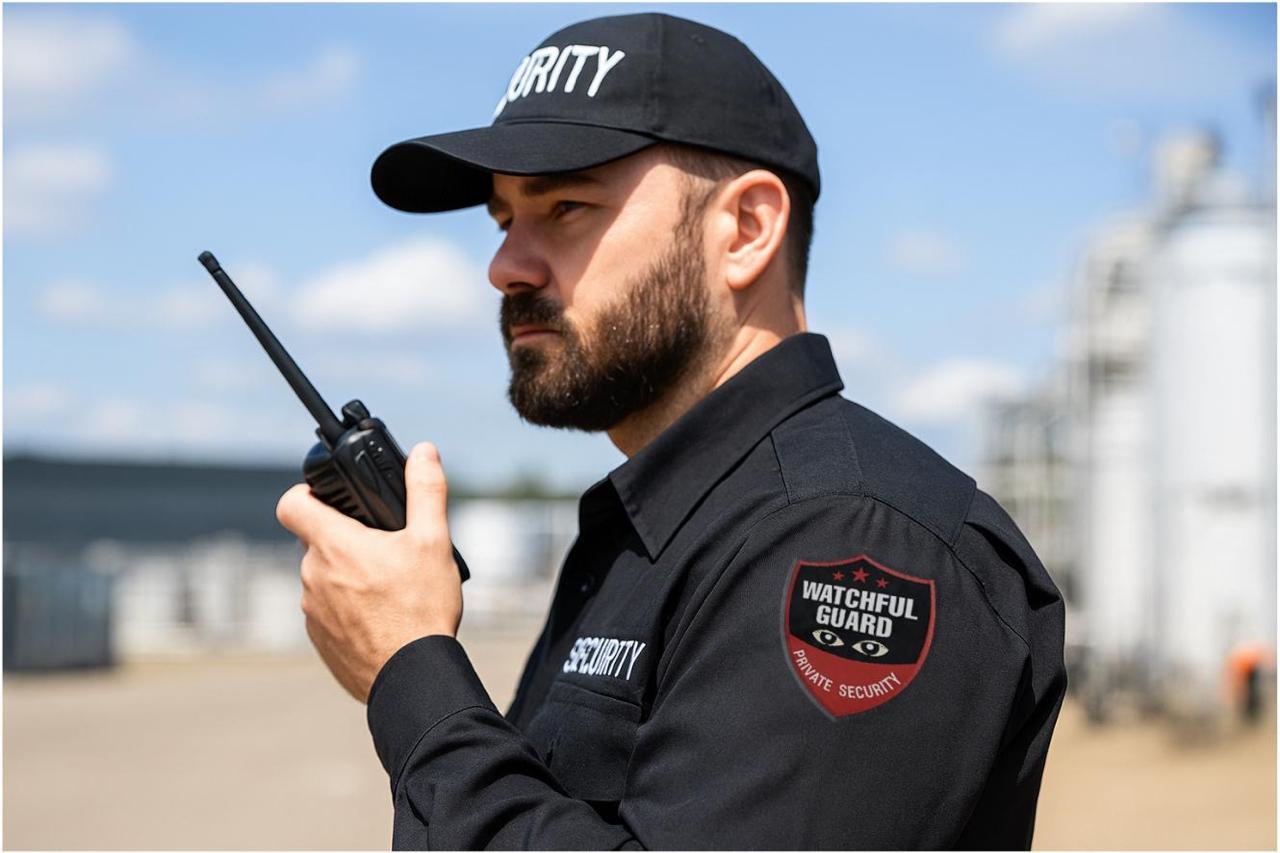
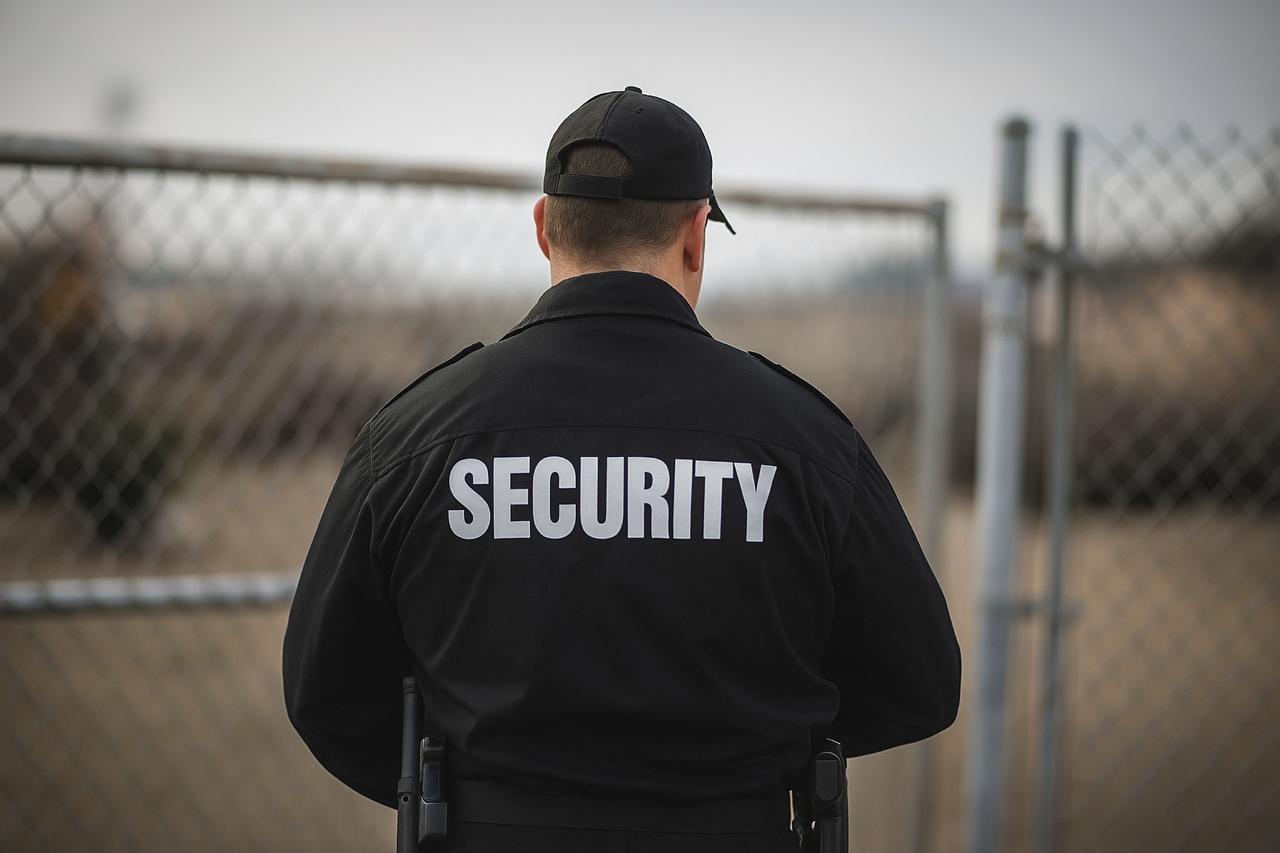
Commercial properties deal with more than front-desk access control. Facilities directors, property managers, and ownership teams are managing layered exposure across occupied suites, receiving areas, parking structures, shared tenant environments, and after-hours operations.
After-Hours Break-Ins
Executive offices, server rooms, and vacant tenant suites become targets when access points and interior movement are not actively monitored after hours.
Package And Receiving Theft
Delivery areas, package rooms, and vendor drop-offs create constant chain-of-custody exposure when receiving activity is not controlled and documented.
Workplace Violence Incidents
Conflicts between tenants, employees, vendors, or visitors can escalate quickly without visible security presence and clear incident response protocols.
Parking Structure Trespassing
Garages, stairwells, and perimeter access points often become the least controlled parts of a commercial property, especially after normal business hours.
Documentation Liability
Inadequate incident documentation leaves property teams exposed when ownership groups, insurers, or HR teams need a clear paper trail and supporting evidence.
Tenant Confidence Risk
Security problems do not stay isolated. They affect tenant perception, employee confidence, and the day-to-day reputation of the property as a professionally managed asset.
How We Solve It
What a Commercial Deployment Actually Looks Like
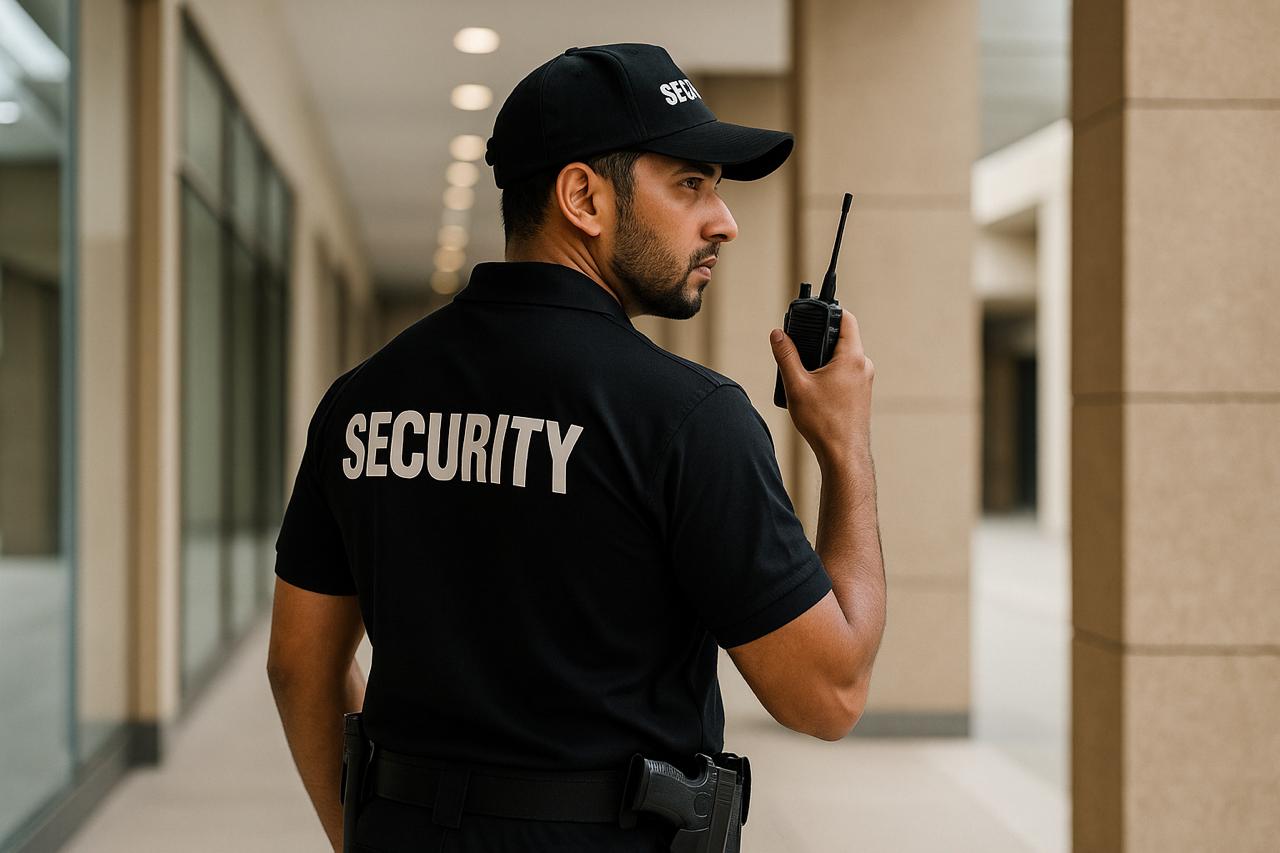
We build commercial coverage as an operating program, not a single post. That means front-of-house control, active interior visibility, after-hours patrol coverage, and site supervision all working together.
Lobby Officer
A dedicated lobby officer manages visitor sign-in, badge verification, vendor check-in, and front-desk presence during active building hours.
Roving Guard
A roving officer covers parking structures, common areas, stairwells, and perimeter touchpoints to identify issues before they escalate.
After-Hours Mobile Patrol
After tenant traffic drops off, mobile patrol handles lock checks, perimeter verification, alarm response, and randomized inspections.
Supervisor Oversight
A field supervisor conducts weekly site checks, validates post performance, reinforces post orders, and keeps property management aligned on incidents, staffing, and building conditions.
What's Included
What a Commercial Security Program Actually Includes
Commercial clients need a defined operating scope they can review internally with ownership, facilities, and asset management teams. The value is in the deliverables, not vague promises of presence.
Front-Desk Coverage
Visitor sign-in, badge verification, vendor check-in, and controlled lobby presence during operating hours.
Interior And Exterior Patrols
Coverage for common areas, stairwells, parking structures, loading zones, and property perimeter touchpoints.
After-Hours Response
Lock checks, alarm response, perimeter verification, and mobile patrol support after tenant traffic drops off.
Daily Activity Reports
Shift summaries that document officer activity, patrol completion, notable observations, and site conditions.
Incident Reporting
Time-stamped incident reports with clear event details, escalation notes, and photo-supported documentation when needed.
Supervisor Site Checks
Recurring field supervision to validate post performance, reinforce post orders, and maintain accountability.
Management Coordination
Ongoing coordination with property management, engineering teams, and on-site stakeholders around incidents and site changes.
Documented Accountability
A service record the client can use for internal reporting, ownership updates, and liability review when issues arise.
Technology Integration
Reporting and Documentation That Supports Commercial Operations
Property managers and facilities teams need documentation they can share with ownership groups, asset managers, and internal stakeholders. Our technology layer supports visibility, accountability, and a stronger record of service across the property.
Daily Activity Reports
Property teams receive documented shift summaries showing patrol activity, site observations, and officer actions throughout the day.
Incident Reports
Incident documentation is time-stamped, structured, and built to preserve a usable paper trail when events need escalation or review.
Photo-Supported Documentation
Reports can include photo evidence to give management and ownership clearer context around property conditions and incidents.
Client Portal Access
Clients can review shift logs, reporting history, and site activity without waiting on manual status updates.
For California commercial properties, visible security presence and documented incident reporting can support workplace violence prevention efforts under SB 553, which took effect in July 2024.
Who Decides / Who We Work With
The People Behind Commercial Security Decisions
Commercial security programs are rarely approved by one person alone. We work with the stakeholders responsible for daily operations, liability, ownership reporting, and tenant experience.
Property Managers
Managing day-to-day building operations, tenant issues, and site-level coordination.
Facilities Directors
Overseeing access control, safety workflows, vendors, and physical site risk.
Asset Managers
Needing visibility into reporting, site performance, and risk exposure across the property.
Building Owners
Evaluating tenant confidence, liability exposure, and the professionalism of site operations.
HR / Operations Teams
Supporting workplace violence prevention planning, incident response, and internal escalation protocols.
FAQ
Questions Commercial Clients Ask Before Signing
How many guards do we need for a building of our size?
That depends on access points, tenant traffic, parking layout, operating hours, and the level of after-hours exposure. We scope coverage around the actual site conditions rather than using a fixed guard count.
Can guards handle package and delivery management?
Yes. Commercial deployments can include delivery oversight, vendor check-in, receiving-area monitoring, and package handling procedures that align with your building operations.
What happens when a guard calls out — is coverage guaranteed?
Coverage continuity is part of the operating plan. We use supervision, scheduling controls, and backup staffing to reduce uncovered shifts and respond quickly when replacements are needed.
Do you coordinate with building management systems or access control software?
Yes. We can work alongside existing access control workflows, visitor procedures, and management processes already used at the property.
What does your onboarding process look like for a new commercial site?
We begin with a site assessment, define post orders and escalation paths, align with management stakeholders, and launch reporting and supervision procedures before the site goes live.
Related Services / Industries
Explore Related Commercial Coverage
Commercial clients often need a mix of on-site staffing, after-hours patrol, response capability, and sector-specific coverage depending on the property type.
Request Commercial Coverage
Request a Commercial Security Quote Built Around Your Property
Tell us about your building footprint, tenant activity, access points, operating hours, and after-hours concerns. We'll scope a commercial security program that fits the way your property actually operates.